Printing Design for Interior Decoration: Creative Applications
Printing design for interior decoration is an artful way to bring personality, color, and texture into any living or working space. Whether you're a designer looking to elevate your portfolio or a homeowner wanting to add flair to your walls, furniture, or textiles, this approach offers endless possibilities. With the rise of digital printing technologies and customizable materials, creating unique patterns has become more accessible than ever. From retro-inspired motifs to contemporary kaleidoscope designs, there's something for every aesthetic.
What Is Printing Design for Interior Decoration?
Printing design for interior decoration refers to the use of printed visuals—such as patterns, textures, and illustrations—to enhance the look of home décor items. These can range from wallpapers and textiles to accessories like keychains and phone cases. The goal is to create cohesive, eye-catching environments that reflect personal style or brand identity. This method allows for precise customization, enabling designers to experiment with colors, layouts, and themes without mass production constraints.
Why It Matters in Modern Design
In today’s interior design landscape, uniqueness is key. While traditional methods like painting or hand-stitching are still popular, printing design offers efficiency and consistency. It also supports sustainability by reducing waste through on-demand production. Moreover, it enables creative professionals to blend styles—like merging baroque elements with modern minimalism—or explore bold new trends such as 3D rendering wallpaper and abstract mandala decorations.
Contemporary Kaleidoscope Pattern Design
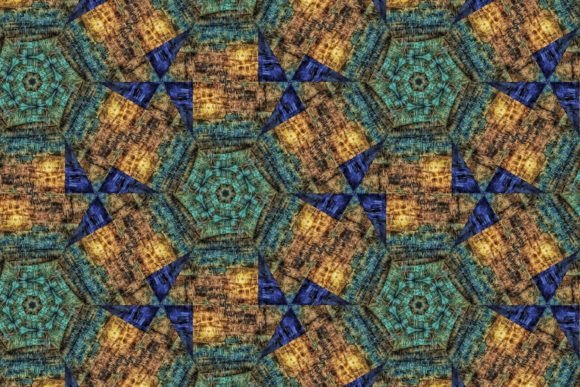
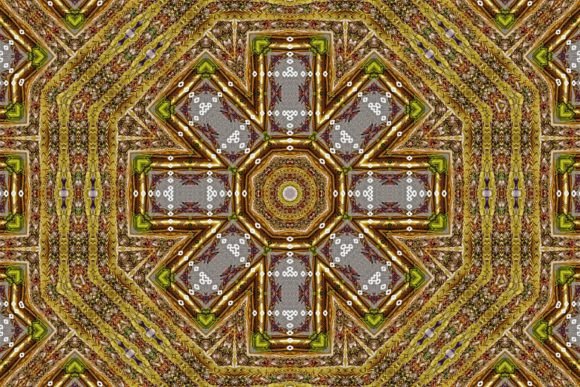
Kaleidoscope pattern design is a standout trend in both interior and fashion spaces. Its dynamic, symmetrical visuals evoke a sense of movement and energy. When used as a background, these patterns can transform digital platforms like websites or social media posts. For physical applications, they work beautifully on textiles, including aprons, backpacks, and bandanas. Their versatility makes them ideal for adding interest to otherwise plain surfaces.
Applications in Textiles and Surfaces
- Scarf pattern texture: A kaleidoscope design can turn a simple fabric into a vibrant accessory when printed onto cloth.
- Wallpaper: Digital 3D-rendered versions give a futuristic twist to classic wall coverings.
- Apron and clothing: These prints can be adapted for all-over print garments or subtle accent pieces like face masks and visors.
- Bathroom essentials: Use the pattern on bath mats, shower curtains, or towels to create a cohesive look.
Retro and Vintage Styles in Printed Decor
Retro and vintage aesthetics continue to influence modern design. Incorporating these styles into printing design for interior decoration can help bridge eras and create nostalgic yet fresh looks. Think about using distressed textures, muted palettes, and ornate baroque details to craft a timeless appeal. These designs are particularly effective for logos, stationery, and branding materials where heritage and charm are essential.
Adapting Retro for Today’s Spaces
For entrepreneurs and marketers, retro-inspired prints can be used to stand out in crowded markets. Consider:
- Creating vintage-style luggage tags or logo elements for small businesses.
- Producing coasters and cutting boards with retro motifs for kitchen sets.
- Designing postcards and puzzles that feature vintage photography overlaid with baroque patterns.
Baroque Meets Modern: Blending Old and New
The baroque style, known for its grandeur and intricate detailing, might seem outdated at first glance. However, when reinterpreted through modern printing techniques, it becomes a powerful tool for creating luxury interiors. Baroque-inspired elements can be digitally rendered and scaled for use in wallpaper, cushions, or even yoga mats. This fusion appeals to those who appreciate historical artistry while seeking contemporary relevance.
Practical Tips for Merging Styles
To integrate baroque elements successfully:
- Use high-contrast color schemes to make the detail pop without overwhelming the space.
- Opt for selective placement, such as a baroque-print throw pillow on a minimalist sofa.
- Combine with modern typography or geometric shapes for balance.
Designing for Versatility: Print on Multiple Surfaces
One of the greatest strengths of printing design for interior decoration is its adaptability. The same pattern can be applied to various mediums—from soft fabrics like bedsheets and blankets to hard surfaces like acrylic blocks and mugs. This flexibility is especially valuable for creators and small business owners aiming to expand product lines efficiently.
Realistic Examples for Everyday Products
Here’s how you can apply your designs across different formats:
- Aprons: Ideal for food bloggers or café branding; pair with a clean layout for readability.
- Backpacks and duffel bags: Use large-scale, repeating patterns to ensure visibility and impact.
- Bandanas and fanny packs: Perfect for bold, statement-making prints that double as fashion items.
- Cushions and throws: Soften sharp spaces with colorful, textured designs.
- Table runners and coasters: Coordinate colors and patterns for a unified dining area.
- Phone cases and water bottles: Great for branding or gifting; choose durable materials and high-quality resolution.
- Yoga mats and sports bras: Opt for breathable, moisture-resistant fabrics with non-slip finishes.
Textile Design Elements: Texture and Repeat Patterns
When designing for cloth-based items like leggings, scarves, or swimwear, understanding textile design elements is crucial. Texture plays a significant role in how a pattern feels and appears. Scarf pattern textures can vary from smooth and elegant to rough and tactile. Additionally, repeat patterns must be carefully aligned to avoid distortion, especially in all-over print formats.
How to Choose the Right Fabric and Pattern
Consider the following when selecting materials and designs:
- Use lightweight, stretchy fabrics for activewear like leggings and sports bras.
- Choose denser weaves for items like tablecloths and napkins to maintain durability.
- Test your design on a small swatch before full production to see how it interacts with the material.
From Concept to Creation: Workflow Best Practices
Whether you’re designing for a website background or a pet blanket, maintaining organization and consistency is key. Start by sketching out ideas on paper or using digital tools like Adobe Illustrator or Procreate. Then, digitize your work and test it in mockups to visualize the final product. Keep variations manageable by developing a base motif that can be adjusted for different scales and applications.
Tools and Techniques for Effective Output
Some recommended practices include:
- Use vector graphics for scalability and crisp output across sizes.
- Experiment with texture overlays to add depth and dimension to flat designs.
- Create color variations for seasonal collections or target demographics.
- Always check resolution and alignment for seamless tiling in all-over print scenarios.
Print Design Ideas for Entrepreneurs and Creators
Entrepreneurs have the opportunity to build entire product lines around a single theme. For instance, a line of baroque-inspired aprons could also include matching tea towels, table runners, and even sneaker designs. Similarly, a kaleidoscope-themed collection might feature flip flops, visors, and beach towels. The key is to maintain a consistent visual language across all items.
Monetizing Your Designs
Here are some actionable tips:
- Sell digital print files on platforms like Etsy or Creative Market for DIY enthusiasts.
- Offer custom printing services for niche markets such as yoga studios or boutique hotels.
- Collaborate with local artisans or manufacturers to produce physical goods like rugs, tote bags, or cutting boards.
- Use free samples or trial prints to gather customer feedback and refine your offerings.
Conclusion: Embracing Creativity Through Print
Printing design for interior decoration is more than just applying images to surfaces—it's about storytelling, functionality, and emotional resonance. Whether you're working with a retro palette or pushing the boundaries of 3D-rendered wallpapers, the potential for innovation is vast. By focusing on clear concepts, thoughtful execution, and audience needs, you can create impactful designs that stand the test of time.
Explore the possibilities, stay inspired, and let your creativity guide your next project. From a simple pin button to a complex carpet pattern, every element contributes to a larger narrative. With the right tools and mindset, you can turn your artistic vision into a tangible reality that delights and engages users in meaningful ways.