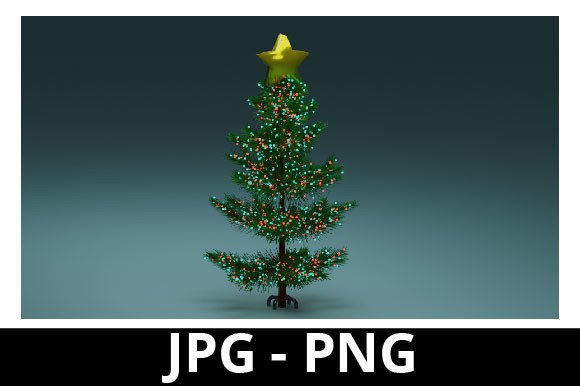
3D Rendered Christmas Tree for Creative Projects
As the holiday season approaches, graphic designers and visual creators are constantly on the lookout for high-quality assets that can elevate their seasonal projects. A 3D rendered Christmas tree offers a versatile and visually compelling solution for those aiming to incorporate festive elements into branding, marketing, or editorial design. With its realistic textures, customizable colors, and stylized details, this digital asset provides both flexibility and professionalism in crafting holiday-themed content.
Why 3D Rendered Elements Matter in Modern Design
In today’s fast-paced digital landscape, clients and audiences expect polished visuals that stand out without appearing generic. Traditional stock images often lack the depth and adaptability required for modern creative workflows. A 3D rendered Christmas tree, however, allows designers to manipulate lighting, color schemes, and composition with precision—ensuring it aligns seamlessly with brand identity and project goals.
These assets are particularly valuable for creating isolated graphics. Whether you’re designing a minimalist holiday card or a vibrant social media banner, the ability to place a stylized or realistic tree against any background is a powerful advantage. The inclusion of formats like JPG and PNG within a ZIP folder ensures compatibility across various platforms and print/digital outputs.
Applications Across Creative Fields
- Branding & Logo Design: Use a 3D rendered tree as a subtle motif in holiday-themed logos or brand refreshes for winter campaigns.
- Marketing Materials: Feature the tree in promotional banners, email headers, or product packaging to evoke a sense of celebration and warmth.
- Social Media Content: Create eye-catching posts for Instagram, Facebook, or LinkedIn by combining the tree with text overlays, festive icons, or branded color palettes.
- Website & UI/UX Design: Incorporate the tree into landing pages, e-commerce sites, or interactive holiday modules to enhance user experience and engagement.
- Editorial Layouts: Add visual interest to magazine spreads, blog headers, or calendar designs by integrating the tree as a decorative element or focal point.
- Packaging Design: Highlight your products during the holiday season using a stylized tree as part of gift box illustrations or label art.
- Advertising Campaigns: Leverage the versatility of a 3D tree in both static and motion graphics to create cohesive holiday ads.
Designing with Color and Composition
A well-rendered Christmas tree comes in multiple variations—green pine, red and gold ornaments, blue tinsel, and more. These options enable designers to match the tree to specific color palettes, whether they're going for a classic, minimal look or something bold and modern. When paired with complementary hues such as white snowflakes or golden stars, the tree becomes an integral part of a balanced and harmonious visual narrative.
Consider the visual hierarchy when placing a 3D rendered tree in your layout. For instance, a small, stylized branch might work best as a header accent, while a full-sized, detailed tree could serve as the central graphic in a poster or web banner. Ensuring that the tree doesn’t overpower other design elements helps maintain clarity and focus.
Choosing the Right Asset for Your Project
- Assess Scalability: Ensure the render maintains quality at different sizes, especially if used in both digital and print contexts.
- Evaluate Style: Choose between realistic or abstract representations depending on the tone of your project.
- Check Compatibility: Confirm that the included file formats (JPG, PNG) suit your editing software and output requirements.
- Match Branding Guidelines: Opt for trees with color schemes that align with your brand's existing style guide.
Typography also plays a crucial role in how a 3D Christmas tree is perceived. Pairing a bold, sans-serif font with a stylized tree creates a contemporary feel, while a script typeface complements a more traditional or ornate illustration. Maintaining typographic consistency ensures that your message remains clear and your design stays professional.
Lighting effects in the render should be considered carefully. A softly glowing tree adds a magical touch to holiday graphics, but it must not distract from key messages or call-to-action buttons. In UI design, for example, a clean, lit-up tree can subtly reinforce a festive theme without compromising usability.
Enhancing Creativity and Communication
Using a 3D rendered Christmas tree goes beyond decoration—it becomes a symbol of celebration, joy, and connection. This makes it ideal for holiday campaigns, event promotions, or even New Year greetings. Its presence can help communicate themes of togetherness, tradition, and innovation, depending on how it's styled and presented.
For minimalist aesthetics, a simple, isolated tree with soft lighting and limited ornamentation can add elegance without clutter. Conversely, a richly decorated tree with bright colors and intricate details works well for lively, attention-grabbing designs. The key is to select the version that best serves your audience and message.
When building a design workflow around these assets, consider how they integrate with other components. Are they being used alongside custom illustrations? Will they appear in multiple resolutions across devices? Answering these questions early helps streamline the process and ensure a consistent final result.
Incorporating a 3D rendered Christmas tree into your creative projects gives you the freedom to experiment while maintaining a high level of professionalism. It’s a resource that bridges the gap between festive cheer and strategic visual communication, making it an essential addition to any designer’s toolkit this December.