Fashion Fabric Print Design: A Creative Pathway to Modern and Timeless Style
Fashion Fabric Print Design is the art of creating visual patterns that are applied to textiles used in clothing, accessories, and home décor. It blends creativity with functionality, allowing designers to craft unique textures, colors, and motifs that elevate everyday items into expressive pieces. From bold contemporary kaleidoscope prints to intricate baroque-inspired designs, fabric printing offers endless opportunities for innovation and personalization.
Understanding the Role of Fashion Fabric Print Design
Fashion Fabric Print Design plays a pivotal role in defining trends and setting styles across various industries. Whether it's a vibrant scarf pattern texture or a subtle mandala decoration on a yoga mat, these designs add character and visual interest. They can be tailored to suit different aesthetics—retro, vintage, minimalist, or 3D rendering wallpaper-like effects—making them versatile tools for product development and branding.
Challenges in Choosing the Right Print Design
- Design Consistency: Ensuring that a print looks appealing across multiple products (e.g., a t-shirt and a tote bag) without distortion or misalignment can be tricky.
- Material Compatibility: Not all fabric types react the same way to dyes and printing techniques. For instance, cotton absorbs ink differently than synthetic materials like polyester.
- Trend Adaptability: Staying ahead of the curve while maintaining timeless appeal requires a deep understanding of current fashion trends and historical design elements.
- Cost and Production: High-quality prints often require advanced techniques such as digital printing or screen printing, which can affect production timelines and budgets.
Goals and Needs in Contemporary Fabric Printing
Today’s consumers seek personalized, high-quality, and sustainable products. This has led to an increased demand for custom fabric prints that reflect individuality and ethical values. Businesses also aim to stand out in a competitive market by offering distinctive designs that resonate with their target audience.
- Personal Expression: Many look for ways to showcase their personality through fashion and lifestyle items, from backpacks to bath mats.
- Brand Identity: Companies use fabric prints as logo elements or signature motifs to build brand recognition and loyalty.
- Sustainability: Eco-conscious buyers prefer fabrics printed using water-based inks or recycled materials.
- Functionality: Prints must complement the item's purpose—for example, a shower curtain needs to be waterproof yet visually engaging.
How Fashion Fabric Print Design Addresses These Needs
Fashion Fabric Print Design enables customization at scale. With modern tools and techniques, designers can create intricate all-over prints that adapt well to both large surfaces like carpets and small ones like key chains. Digital printing allows for precise color reproduction and detail retention, making it ideal for complex designs such as retro patterns or 3D-rendered wallpapers.
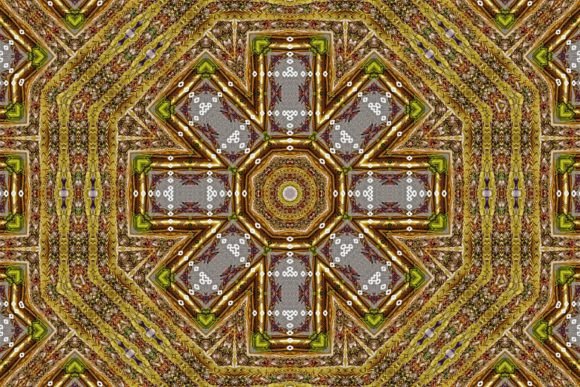
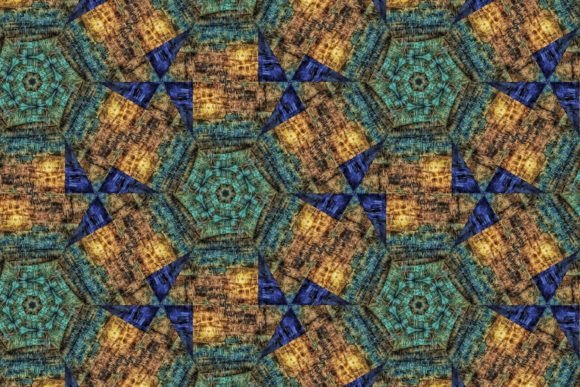
One of the most popular applications is the kaleidoscope pattern design, known for its dynamic, eye-catching visuals. These patterns work especially well for cover photos, websites, and statement pieces like dresses and skirts. The symmetry and vibrancy of kaleidoscopic prints capture attention and offer a sense of movement and energy.
Practical Applications and Outcomes
The versatility of Fashion Fabric Print Design means it can be implemented across a wide range of products:
- Clothing: Leggings, swimwear, and t-shirts benefit from bold, colorful prints that make a style statement.
- Accessories: Scarves, bandanas, and visors can be transformed with elegant mandala decorations or vintage-inspired motifs.
- Home Décor: Bed sheets, towels, and shower curtains become more attractive with cohesive, repeating patterns that enhance room aesthetics.
- Functional Items: Yoga mats, aprons, and sports bras integrate practicality with artistic flair through strategic textile design elements.
- Promotional Merchandise: Tote bags, phone cases, and postcards serve as effective branding tools when enhanced with a unique fabric print.
For example, a retro-style bandana might appeal to a niche market looking for nostalgic fashion pieces, while a 3D-rendered wallpaper-inspired carpet could attract those seeking avant-garde interior design solutions. Similarly, a floral mandala design on a throw pillow adds a touch of elegance to any living space.
Implementing Effective Print Designs
To achieve the best results with Fashion Fabric Print Design, consider the following:
- Choose the Right Technique: Screen printing is cost-effective for limited color palettes, while digital printing excels at reproducing detailed, full-color images.
- Optimize for Material: Select designs that complement the fabric type. Acrylic blocks, for instance, may need simpler line work or higher contrast to ensure visibility.
- Scale Appropriately: When designing for an all-over print, ensure the pattern repeats seamlessly without noticeable seams or distortions.
- Balance Aesthetics and Use: While a stunning design is essential, it should not compromise the usability of the product. A highly textured print on a sneaker must remain durable and breathable.
Designers often start by sketching ideas on paper or using software like Adobe Illustrator or Procreate to experiment with layouts. Once finalized, the design is prepared for print using vector graphics to maintain clarity at any size. This process is crucial for items like luggage tags, where the logo element must be legible even when small.
Examples of Successful Print Design Integration
Let’s explore some real-world examples of how Fashion Fabric Print Design enhances products:
- Scarves and Pouches: A classic silk scarf becomes a standout accessory with a hand-drawn floral mandala. The same design can be scaled down for a mini pouch or key chain, ensuring brand consistency across items.
- Bags and Backpacks: Vintage patterns, such as baroque-inspired florals, add sophistication to duffel bags and tote bags. These designs can also be adapted for fanny packs or cutting boards, expanding the product range.
- Apparel: An all-over geometric print on a dress or skirt can define a collection. When mirrored on leggings or a sports bra, it reinforces the brand’s identity in athletic wear.
- Home Textiles: Bath mats and table runners benefit from soft, nature-inspired prints that evoke calmness and comfort. A matching set of tea towels and placemats creates a cohesive look in kitchen spaces.
- Decorative Items: Wallpapers with 3D rendering effects can transform a room instantly. Similarly, puzzle pieces or coaster sets featuring a stylized baroque motif offer a tactile experience beyond traditional wall art.
Different Approaches Based on User Needs
Depending on your goals, you may approach Fashion Fabric Print Design in different ways:
- Brands and Retailers: Focus on developing signature motifs that align with brand identity. Consider how the design will appear on both clothing and promotional items like face masks or stickers.
- Independent Artists: Prioritize uniqueness and storytelling. A hand-painted design can be turned into a digital file and printed on a variety of surfaces, including pet blankets or yoga mats.
- Interior Designers: Use fabric prints to coordinate spaces. A repeating mandala pattern on a shower curtain and cushion ensures a harmonious aesthetic.
- E-commerce Entrepreneurs: Leverage trending designs such as retro prints or abstract kaleidoscopes to attract a broad audience. Test variations on items like sneakers or backpacks to gauge popularity.
Useful Considerations for Implementation
When implementing Fashion Fabric Print Design, keep these factors in mind to ensure success:
- Resolution Matters: Always provide high-resolution images to avoid pixelation. For digital prints, 300 DPI is the standard.
- Test Before Mass Production: Create sample prints on actual materials to assess durability, color accuracy, and overall appearance.
- Consider Cultural Context: Some patterns may carry specific meanings or associations. Be mindful of this when targeting international markets.
- Stay Trend-Informed: Follow fashion blogs, Pinterest, and Instagram to stay updated on what’s working in terms of color schemes and motifs.
- Collaborate with Printers: Work closely with your printing partner to understand limitations and possibilities. They can guide you on optimizing designs for specific substrates.
Future-Proofing Your Designs
In a rapidly evolving market, the best Fashion Fabric Print Designs balance trendiness with timelessness. Incorporating elements like vintage typography with modern color palettes or blending baroque details with minimalistic layouts can help achieve this harmony. Additionally, 3D rendering techniques allow for depth and dimension in otherwise flat designs, making them more captivating on items like sneaker uppers or phone cases.
As sustainability becomes a priority, many designers are turning to eco-friendly inks and organic fabrics. This shift not only meets consumer expectations but also opens up new avenues for marketing and product differentiation.
Conclusion
Fashion Fabric Print Design is more than just applying images to cloth—it's about crafting experiences through texture, color, and form. Whether you're designing a bold, contemporary kaleidoscope pattern for a website or a subtle vintage print for a face mask, the right approach can turn ordinary items into extraordinary expressions of style and identity. By focusing on practicality, aesthetics, and relevance, you can create designs that not only look great but also meet the evolving needs of today’s discerning customers.