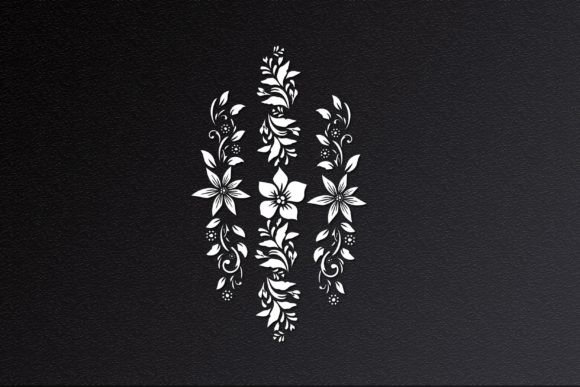
Floral Wall Art Papercut Design: A Strategic Tool for Creative and Business Goals
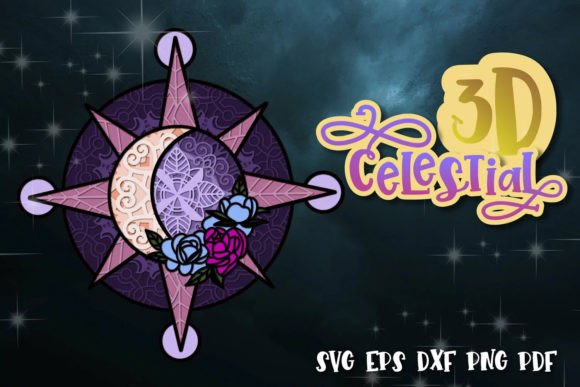
Floral Wall Art Papercut Design is more than just a decorative element—it's a versatile visual tool that can elevate the aesthetic appeal of spaces while supporting broader strategic objectives. Whether you're an entrepreneur, marketer, designer, or small business owner, integrating this form of art into your projects can help communicate brand values, inspire creativity, and enhance customer experiences. The design format itself, typically offered in high-resolution formats like EPS, SVG, PDF, and PNG, provides flexibility and quality that align with both artistic and professional needs.
Understanding the Value of Floral Papercut Wall Art
Papercut designs are intricate patterns created by cutting paper to form detailed images—often inspired by nature, such as flowers, leaves, and vines. These designs have been used across cultures for centuries but have found new relevance in modern digital environments. When applied to wall art, they create a timeless yet contemporary look that resonates with diverse audiences.
The Floral Wall Art Papercut Design format stands out due to its clean lines and elegant composition. Unlike complex digital graphics, papercut-style illustrations offer a tactile, handcrafted feel that appeals to those seeking authenticity and minimalism in their visual content. This makes them particularly useful for branding, interior design, product packaging, and even educational materials where clarity and simplicity are key.
Why High-Resolution Matters
When sourcing floral papercut wall art, one of the most important considerations is resolution. Files provided at 300 DPI (dots per inch) ensure that the artwork remains sharp and clear, whether printed on large-scale banners or displayed digitally on high-resolution screens. This level of detail preserves the fine craftsmanship of the papercut style, making it suitable for both commercial and personal use without compromising quality.
High-resolution files also allow for scaling. You can enlarge the design for murals or reduce it for social media thumbnails, confident that it will retain its crispness. For professionals who need to maintain brand consistency across various platforms and print materials, this feature is invaluable.
Strategic Applications Across Industries
Floral Wall Art Papercut Design can serve multiple strategic purposes depending on the context. Here’s how different industries might benefit from using it intentionally:
- Branding & Marketing: Use floral papercut designs in logos, brochures, or website headers to convey elegance, growth, and natural beauty. These visuals support storytelling and help establish a unique identity that stands apart in crowded markets.
- Interior Design: Incorporate these designs into home decor or office environments to create a calming, sophisticated atmosphere. They work especially well in cafes, salons, and co-working spaces aiming to project creativity and serenity.
- Product Packaging: Add a touch of refinement to product boxes or labels with papercut-style florals. This approach not only enhances visual appeal but also signals attention to detail and craftsmanship.
- Education & Publishing: Use floral motifs in book covers, classroom decorations, or learning materials to foster engagement and a sense of wonder among students and readers.
- Graphic Design Projects: As a vector-based design, it allows for easy modification and color changes. This adaptability is crucial for designers working on custom projects or seasonal campaigns.
Planning Your Use of Floral Wall Art Papercut Design
To maximize the impact of Floral Wall Art Papercut Design, it’s essential to plan its application carefully. Begin by identifying the purpose of the design—whether it's to decorate a physical space, enhance digital marketing assets, or reinforce a brand message. Then consider the following factors:
- Target Audience: Who will see the artwork? Will it resonate with your audience’s tastes and values?
- Contextual Fit: How does the design complement other elements in the environment or campaign? Ensure it aligns with existing branding and doesn't clash visually or thematically.
- Medium Requirements: Determine if you'll be printing the design or using it online. Each medium may require different file types and resolutions.
- Long-Term Relevance: Will the design remain relevant over time? Avoid overly trendy styles unless you’re certain about short-term usage.
File Formats Included: What You Get and Why It Matters
Receiving a ZIP folder containing multiple file formats ensures you can use the Floral Wall Art Papercut Design in a variety of ways. Below is a breakdown of the included formats and their strategic advantages:
- EPS File (Without Background): Perfect for print and professional editing. The lack of background allows seamless integration into any layout or design project.
- SVG File: Ideal for scalable web graphics and animations. Its vector format ensures compatibility with modern design tools and responsive layouts.
- PDF File: Useful for sharing and viewing across devices. It maintains formatting and resolution, making it reliable for presentations and client proposals.
- High-Quality PNG (Transparent Background): Great for overlaying on websites, apps, or digital signage. The transparency gives you full control over the background, enhancing customization possibilities.
- High-Quality JPG File: Suitable for quick sharing and printing. While it lacks transparency, it delivers excellent image fidelity for standard backgrounds.
Having access to all these formats means you aren’t limited by the design’s initial presentation. You can tailor it to suit your specific needs, ensuring it adds value rather than becoming obsolete after a single use.
Practical Examples of Intentional Use
Let’s explore some real-world scenarios where Floral Wall Art Papercut Design has made a strategic difference:
- Example 1: A boutique hotel uses a large floral papercut mural in its lobby to reflect a botanical theme. The design complements the natural materials used in the space and helps create a cohesive brand experience.
- Example 2: A skincare company incorporates a subtle floral papercut pattern into its packaging. The design reinforces the brand’s commitment to natural ingredients and appeals to eco-conscious consumers.
- Example 3: An educator creates a classroom bulletin board using papercut-style floral borders. The design supports a creative learning environment and encourages student interaction with the space.
In each case, the decision to use the design was rooted in a clear understanding of its role within the overall strategy. This intentional approach leads to better results than randomly selecting a decorative element and hoping it fits.
How to Modify and Customize the Design Effectively
One of the greatest advantages of purchasing Floral Wall Art Papercut Design is the ability to modify it easily. Since it includes 100 Vector Elements, every component of the design can be edited independently. This opens up numerous opportunities for customization, including:
- Changing colors to match your brand palette
- Resizing individual components for varied applications
- Adding or removing elements based on design requirements
- Creating variations for different seasons or events
With the right software, such as Adobe Illustrator or Inkscape, users can adjust stroke weights, layer positions, and even animate parts of the design. This flexibility makes the Floral Wall Art Papercut Design a long-term asset rather than a one-time purchase.
Key Considerations Before Implementation
Before relying on Floral Wall Art Papercut Design for your project, ask yourself the following questions:
- Does the design align with my brand’s visual identity?
- Will it function well in both digital and print formats?
- Can I customize it enough to avoid looking generic or reused?
- Is there a risk of overcomplicating the message with too much detail?
These reflections help prevent the common pitfall of using the design as a superficial addition. Instead, they encourage deeper thinking about how it contributes to your goals and outcomes.
Maximizing Creativity and Productivity with Papercut Florals
For creators and freelancers, having access to editable Floral Wall Art Papercut Designs can streamline workflow and boost productivity. Instead of designing from scratch, you can repurpose and reconfigure existing elements to meet client demands quickly and efficiently. This is especially helpful when working under tight deadlines or managing multiple projects simultaneously.
Moreover, the clean and structured nature of papercut designs can stimulate creative thinking. Their geometric precision and organic inspiration provide a balance between logic and imagination, which is beneficial in brainstorming sessions, mood boards, or conceptual planning.
As a practical tip, keep a library of these designs ready for future projects. Categorize them by color, complexity, and theme so you can pull them out when needed without wasting time searching through unorganized assets.
Risks of Using Without Strategy
While Floral Wall Art Papercut Design is powerful, using it without a clear strategy can lead to poor outcomes. Some potential risks include:
- Mismatched Aesthetics: If the design doesn’t align with your brand or environment, it can confuse the audience or dilute your message.
- Overuse: Relying too heavily on floral motifs can make your brand appear outdated or cluttered. Balance is key.
- Lack of Cohesion: Using random pieces of papercut art without a unifying theme may result in a disjointed visual identity.
- Technical Limitations: Not all file formats are suitable for every task. Always verify compatibility before finalizing a project.
To mitigate these risks, start by defining your goals. Ask what you want the design to achieve—whether it’s to attract attention, evoke emotion, or support a larger narrative. Once you have a clear objective, select and adapt the design accordingly.
Decision-Making Guidance for Effective Integration
Here are a few actionable steps to guide your decision-making process when incorporating Floral Wall Art Papercut Design:
- Define the Purpose: Is the design for branding, decoration, or communication? Clarify its role before selection.
- Test in Context: Place the design in the intended setting—digitally or physically—to assess its effectiveness and make adjustments as needed.
- Align with Brand Guidelines: Ensure the design meets your brand's standards for color, typography, and style.
- Plan for Scalability: Choose a design that works across different sizes and mediums, avoiding overly complex details that won't scale well.
- Seek Feedback: Share the design with stakeholders or target users early in the process to gather insights and refine the outcome.
By taking these steps, you shift from reactive to proactive use of the design, ensuring it supports your broader goals rather than simply filling space.
Enhancing Long-Term Results Through Thoughtful Design
Investing in high-quality, customizable Floral Wall Art Papercut Design isn't just about immediate aesthetics—it's a step toward building lasting visual assets. These designs can evolve alongside your brand, be adapted for different campaigns, and even become signature elements in your portfolio or offerings.
For educators, floral papercut designs can be integrated into lesson plans on art history or design principles. For marketers, they can become part of a visual language that communicates trust, sophistication, and connection to nature. For entrepreneurs, they offer a cost-effective way to maintain a polished, professional appearance across all touchpoints.
Ultimately, the strategic use of this design hinges on intentionality. Every choice—from file format to color scheme—should be made with a clear understanding of how it supports your mission and enhances your message.
Conclusion
Floral Wall Art Papercut Design is a powerful resource when used with purpose and insight. Its high-resolution availability, multiple file formats, and vector-based structure make it adaptable to a wide range of applications. From branding to education, this design can contribute meaningfully to your outcomes when aligned with thoughtful planning and execution.
Whether you're enhancing your workspace, crafting a compelling marketing campaign, or developing a new product line, consider how this design can add depth and intention to your efforts. With the right approach, it becomes more than just art—it becomes a strategic asset.