3D Witch Hands with Magic Ball Design – A Complete Guide for Creators and Crafters
If you're into digital crafting, signage, or custom product design, you've probably come across the term 3D Witch Hands with Magic Ball Design. This unique cut file is a favorite among creative professionals and hobbyists alike, offering an enchanting visual that can elevate your projects. Whether you're designing Halloween decorations, fantasy-themed merchandise, or promotional materials, understanding how to choose, use, and maximize this design is key to achieving high-quality results.
What Is 3D Witch Hands with Magic Ball Design?
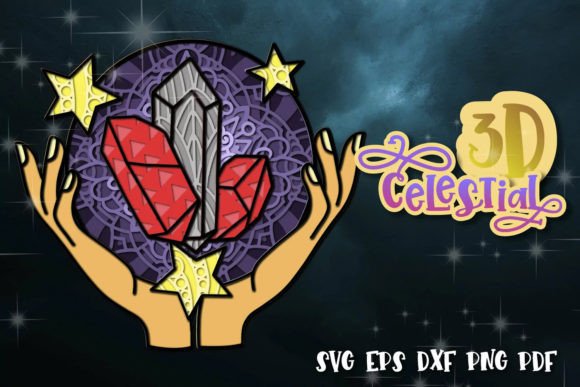
The 3D Witch Hands with Magic Ball Design is a digitally crafted illustration typically provided in multiple file formats such as SVG, EPS, DXF, and PNG. It features stylized hands of a witch holding a glowing magic ball, often rendered with depth and dimensionality to create a more lifelike appearance. These files are ideal for cutting machines like Cricut, Silhouette, or laser cutters, allowing users to produce intricate shapes from materials like vinyl, acrylic, wood, and paper.
Its popularity stems from its versatility. The design can be used for:
- Crafting Halloween window clings or stencils
- Creating branded signage for cafes, bookstores, or online shops
- Producing custom t-shirts, stickers, or wall art
- Printing on products like mugs, phone cases, or greeting cards
Common Mistakes When Choosing or Using This Design
While the 3D Witch Hands with Magic Ball Design is powerful, it's easy to overlook some important details when selecting or using it. Here are a few common pitfalls:
1. Not Checking File Compatibility Before Purchase
One of the most frequent errors is purchasing a design without confirming whether it works with your specific cutting machine. Although the 3D Witch Hands with Magic Ball Design includes SVG, EPS, DXF, and PNG files, not all software supports these formats equally. For example, some laser cutter programs may struggle with complex SVG paths unless they’re properly optimized.
Better approach: Always verify the supported file types of your cutting software before buying. If you're unsure, reach out to the seller with your device and software details. Most providers, including SVGStory, are happy to help ensure compatibility.
2. Skipping the Unzipping Step
The design comes archived in ZIP format, which means you’ll need to extract the files before you can use them. Some beginners forget to install a proper unzip tool or double-click the archive expecting it to open automatically, leading to confusion or wasted time.
Solution: Make sure you have a reliable unzipping utility installed—like WinZip or 7-Zip for Windows, or Archive Utility for Mac. Once unzipped, organize the extracted files so you can easily locate the correct one for your project.
3. Ignoring Layer Details in Multi-Layer Designs
Many SVG files include multiple layers or sections, especially in designs like the 3D Witch Hands with Magic Ball. Failing to separate these elements before cutting can result in misaligned pieces or incomplete cuts. For instance, if the magic ball is a separate layer, but you don’t adjust the settings accordingly, it might not cut cleanly from the background.
How to fix: Open the SVG file in your design software (e.g., Adobe Illustrator, Cricut Design Space, or Silhouette Studio) and inspect the layers. Adjust stroke widths, line types, or grouping settings to match your machine’s requirements.
Why File Format Matters
Each included file type serves a different purpose:
- SVG: Best for scalable vector graphics, ideal for most cutting machines.
- EPS: Preferred by designers working in Adobe Illustrator or other professional tools.
- DXF: Commonly used for laser cutting or CNC machines.
- PNG: Useful for print-on-demand services or digital mockups with transparent backgrounds.
Choosing the right format ensures precision and ease of use. For example, if you're creating a stencil with a Cricut Explore Air 2, SVG will likely give you the best results due to its scalability and path clarity. On the other hand, if you're preparing a design for a laser engraver, DXF might be more suitable.
Design Quality and Its Impact on Your Project
A poorly optimized SVG file can lead to jagged edges or failed cuts, even with a high-end machine. The 3D Witch Hands with Magic Ball Design is praised for being hand-drawn yet perfectly refined, making it smooth and precise. But not all sellers offer such quality, so it's crucial to know what to look for.
Mistake: Assuming all SVG files are the same. Some low-quality files may not scale well or contain unnecessary anchor points that cause cutting issues.
Correction: Look for descriptions that mention "clean vectors," "smooth cutting," or "optimized for machines." The fact that SVGStory emphasizes their original, hand-drawn design perfected for cutting is a good indicator of quality.
Real-World Applications and Examples
Let’s explore a few practical examples where the 3D Witch Hands with Magic Ball Design could shine:
Halloween Window Decals
Using the PNG file with transparency, you can print the design onto adhesive vinyl and apply it to windows. The 3D effect adds depth, making the witch appear almost animated. Just remember to mirror the image if you're using transfer tape!
Custom Stickers for Merchandise
For bloggers or small business owners selling themed stickers, the SVG version allows for clean lines and easy resizing. You can add text or logos around the design to personalize it further.
Wood Sign Engraving
With the DXF file, laser engravers can carve the design into wooden signs. The layered detail helps differentiate between the hands and the magic ball, resulting in a more dynamic final piece.
What to Check Before Buying or Downloading
To avoid frustration later, here are some key things to review before purchasing or downloading the 3D Witch Hands with Magic Ball Design:
- Supported Formats: Confirm that the files you need (SVG, DXF, etc.) are included and compatible with your workflow.
- File Optimization: Ensure the design is optimized for your machine—look for mentions of "machine-ready" or "cutting-tested."
- Licensing Rights: Understand whether the design is for personal or commercial use. SVGStory clearly states copyright ownership, so make sure you’re compliant with their usage terms.
- Resolution for Print: If using PNGs for print, check the resolution (typically 300 DPI is standard for crisp images).
- Layer Instructions: Many creators provide tips on how to handle layers within the file. Read through any included documentation carefully.
Maximizing Efficiency and Presentation
Once you’ve got the design, how you use it matters just as much as the file itself. Here are some tips to improve your workflow and presentation:
- Use Preview Tools: Before sending the design to your machine, preview it in your software to ensure there are no overlaps or missing lines.
- Scale Thoughtfully: Overscaling an SVG can distort details. Test the design at smaller sizes first to see how it holds up.
- Test on Scrap Material: Especially for new users, always do a test cut on scrap material before committing to your final project.
- Combine with Other Elements: Don't hesitate to pair the 3D Witch Hands with complementary designs—think moons, bats, or cauldrons—to enhance the magical theme.
Final Thoughts on Avoiding Poor Choices
It's tempting to jump into a purchase when you find a cool design, but taking a moment to evaluate the 3D Witch Hands with Magic Ball Design thoroughly can save time, money, and effort. Understanding the nuances of file formats, checking for optimization, and planning your project layout are all essential steps toward success.
By avoiding these common mistakes and following best practices, you'll not only get better results but also feel more confident in your creative process. Remember, the goal is to turn your vision into reality—without unnecessary hurdles along the way.