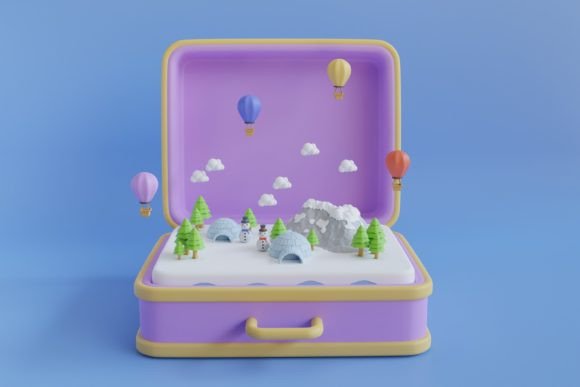
3D Render of Holiday Planning in Winter
A 3D render of holiday planning in winter is a digital illustration that visualizes a winter holiday scene using three-dimensional modeling and rendering techniques. These visuals often include snow-covered landscapes, cozy cabins, festive decorations, and warm interiors to evoke the feeling of a peaceful or exciting winter getaway. They are typically created using graphic design software like Blender, SketchUp, or Cinema 4D and exported as high-quality image files such as JPG or PNG.
Such renders are incredibly versatile and can be used for a variety of purposes across different industries. Whether you're designing a promotional banner for a ski resort, creating a website header for a travel agency, or crafting a poster for a holiday event, a 3D render adds depth, realism, and emotional appeal to your designs.
Real-World Uses Across Industries
Travel agencies and tourism boards often use these renders to showcase destinations before they’re fully accessible or during off-seasons. A well-crafted 3D render of holiday planning in winter can help potential travelers imagine themselves at a remote cabin in the mountains or sipping cocoa by a fireplace in a rustic lodge. This visualization helps build anticipation and can significantly influence booking decisions.
Real estate developers also benefit from 3D winter renders when promoting vacation homes or ski properties. By illustrating how a property looks with snow on the ground and festive lights around the entrance, they create a more appealing narrative. For instance, a luxury chalet might appear even more inviting in a 3D render showing it nestled among pine trees with fresh powder and a warm glow inside the windows.
Event planners frequently incorporate 3D winter scenes into their marketing materials for weddings, corporate retreats, or seasonal festivals. These images help set the tone and give guests an idea of what to expect — whether it’s a romantic alpine wedding or a team-building trip in the snow.
Use Cases in UI/UX Design
In the realm of user interface and user experience (UI/UX) design, 3D renders of winter holidays can serve as background elements or feature illustrations for apps and websites focused on travel, lifestyle, or seasonal services. For example, a weather app might use a subtle winter render as part of its cold-weather theme, while a travel booking platform could use one as a hero image to promote winter packages.
These visuals are particularly effective when designed with transparency or layered backgrounds. A PNG file allows designers to overlay text or logos without worrying about blending colors or removing unwanted backgrounds manually. It streamlines the process and ensures a professional finish every time.
Marketing and Promotional Materials
Businesses in the hospitality and retail sectors find these renders useful for promotions. Hotels and resorts might use them in email campaigns, social media posts, or printed brochures to highlight their winter amenities. A 3D render showing a hotel’s outdoor hot tub surrounded by snowflakes and soft lighting can make the offer feel more enticing than plain text ever could.
Retail brands selling winter gear — like ski equipment, thermal clothing, or festive accessories — can embed these renders into product pages to show how items might be used in real-life scenarios. Imagine a pair of gloves being worn by a character standing in a 3D-rendered snowy forest; this kind of imagery makes the purchase more relatable and context-driven.
Who Can Benefit from Using These Renders?
- Travel Agencies: Use 3D renders to present dream destinations in a realistic and engaging way, increasing customer interest and bookings.
- Event Planners: Incorporate renders into invitations and promotional content to create a vivid sense of place and occasion.
- Real Estate Marketers: Showcase vacation homes or ski lodges with immersive visuals that highlight location and ambiance.
- Graphic Designers: Utilize ready-made 3D renders to speed up project delivery without sacrificing quality or creativity.
- Brands in Retail and E-commerce: Enhance product listings with contextual 3D imagery that aligns with the winter season.
Practical Examples of Application
Let’s say you’re launching a new line of winter-themed coffee mugs. A 3D render of holiday planning in winter featuring a steaming mug next to a crackling fire in a cabin can instantly connect the product to the holiday spirit. You can scale this image down for social media thumbnails or expand it for full-page banners, depending on your needs.
Another example is a fitness app promoting indoor workouts during the winter months. A 3D render of a cozy living room with a person exercising near a window covered in frost could work as a motivational background, making the concept of staying active at home seem both achievable and comforting.
Choosing the Right 3D Render for Your Needs
Before selecting a 3D render, consider the following factors:
- Purpose: Are you using the image for print, web, or digital ads? Each medium may require a different resolution or format.
- Target Audience: Does the scene reflect the interests and expectations of your viewers? A family-friendly destination will look different from a luxury retreat.
- Style and Tone: Should the render feel whimsical and magical or practical and serene? The mood you choose should match your brand voice and message.
- Resolution and Format: Ensure the render you select has sufficient detail and comes in a usable format like JPG or PNG, depending on whether you need transparency or not.
- Licensing Rights: Confirm that the render you use is either royalty-free or properly licensed for commercial use to avoid legal issues later.
Strengths of 3D Winter Holiday Renders
The main advantage of using a 3D render instead of a stock photo is the level of control it offers. You can adjust lighting, color schemes, and elements within the scene to better fit your brand or campaign. Additionally, 3D renders tend to have a more consistent aesthetic, which is helpful when maintaining a cohesive visual identity across multiple platforms.
They also allow for creative flexibility. If you want to add a logo to a cabin window, change the sky from blue to twilight, or insert animated snowfall effects, working with a 3D render gives you those possibilities. Unlike traditional photography, there’s no need to wait for the right weather conditions or travel to a specific location.
Potential Limitations to Consider
While 3D renders offer many benefits, they do come with some challenges. High-quality renders can take significant time and resources to produce, especially if you’re customizing elements yourself. Unless you have access to 3D modeling tools and skilled designers, you might need to rely on pre-made assets, which can sometimes feel generic or overused if not tailored properly.
Also, the realism of a 3D render depends heavily on the skill of the artist and the software used. Some free or low-cost options may lack the fine details needed for premium branding or advertising. Always preview the render at actual size and under intended use conditions to ensure it meets your standards.
How Different Users Can Get Creative
For small businesses with limited budgets, a 3D render of holiday planning in winter can be a cost-effective alternative to hiring a photographer. You can use it on your website, in emails, or even as a backdrop for live video sessions promoting your winter services or products.
Freelancers and agencies might store a library of such renders to quickly assemble mockups for clients. A JPG or PNG file of a festive winter scene can be dropped into a template for a holiday card design, a brochure layout, or a mobile app screen almost instantly, saving hours of work.
Education institutions or community centers could use these visuals to promote winter workshops, camps, or events. A render showing children building a snowman or adults enjoying a sledding hill can convey inclusivity and fun, encouraging participation.
Designing for Multiple Platforms
One of the most powerful aspects of a 3D render is its adaptability. A single render can be cropped, resized, or re-colored to suit various platforms. Here’s how you can maximize its value:
- Banners: Use the render as a full-width banner on a website or landing page, highlighting key messages like “Book Your Winter Escape Now!”
- Social Media: Create carousel posts or short videos using parts of the render to tell a story — like moving from a snowy mountain trail to a cozy interior with a fireplace.
- Email Headers: Add a touch of warmth and inspiration by using the render in the top section of a newsletter promoting holiday deals.
- Print Materials: Repurpose the same render for flyers, posters, or postcards with minimal adjustments, ensuring a unified brand experience across online and offline channels.
Observations from Industry Trends
As more consumers shop online and plan trips digitally, the demand for high-quality, emotionally engaging visuals has increased. A 3D render of holiday planning in winter can bridge the gap between imagination and reality, helping users visualize experiences before committing to them.
Seasonal marketing campaigns have also evolved to include more interactive elements. Some companies are embedding 3D renders into virtual tours or augmented reality features, allowing customers to explore a space in 360 degrees. This approach is particularly popular in real estate and travel, where immersion plays a big role in decision-making.
Moreover, the rise of AI-generated 3D content means that creating and customizing these renders is becoming more accessible. Even non-designers can now tweak elements like lighting, textures, or background settings using intuitive tools, opening up new opportunities for small businesses and independent creators.
Where to Find and How to Use 3D Renders
There are numerous platforms offering 3D renders related to winter and holiday themes. Look for assets labeled "PNG" or "JPG" if you need them for quick integration into your projects. Websites like Shutterstock, Adobe Stock, and TurboSquid provide extensive libraries with varying levels of customization and licensing options.
If you're working with a designer or developer, share your vision clearly. Let them know if you prefer a realistic or stylized look, if transparency is necessary, or if you want to animate certain elements. Clear communication ensures the final product aligns with your goals and audience expectations.
Once you’ve selected a render, apply it thoughtfully. Don’t just drop it onto a page — layer it with text, logos, or call-to-action buttons to guide the viewer’s attention. Balance is key; too much visual clutter can distract, but the right mix can inspire action.
Final Thoughts on Versatility and Impact
A 3D render of holiday planning in winter is more than just a pretty picture. It’s a strategic tool that can enhance storytelling, improve engagement, and support sales across a range of formats and industries. From websites and banners to posters and UI elements, its applications are vast and growing.
Whether you’re looking to attract tourists, sell winter apparel, or simply bring a festive vibe to your content, the right 3D render can make all the difference. Just remember to keep your purpose clear, your audience in mind, and your visuals aligned with your brand’s message.