3D Illustration of Business Risk Concept: A Strategic Tool for Visual Communication and Decision-Making
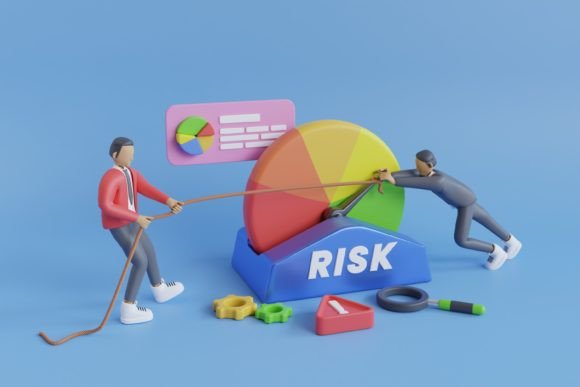
The 3D illustration of business risk concept is a powerful visual asset that transforms abstract, complex ideas into tangible representations. By using three-dimensional imagery to depict potential threats, uncertainties, and challenges in the business world, this design approach helps stakeholders grasp nuanced concepts quickly and effectively. Whether you're an entrepreneur preparing a pitch deck, a marketer designing a campaign banner, or a corporate trainer developing educational content, leveraging this kind of 3D artwork can significantly enhance your communication strategy.
Understanding the Value of 3D Illustration in Business Risk Visualization
Business risks are often discussed in terms like "market volatility," "operational inefficiencies," or "strategic misalignment." These phrases can be difficult to visualize, especially when presenting to audiences with diverse levels of expertise. A 3D illustration of business risk concept solves this by turning these abstractions into vivid scenes—such as a sinking ship on turbulent waters, a red flag rising in front of a company logo, or a cracked foundation beneath a skyscraper.
These illustrations provide a common language across departments, helping finance teams explain risk exposure to marketing leaders or guiding product managers through potential pitfalls in development. The strategic value lies not just in clarity but also in engagement. When people see a risk represented visually, they’re more likely to retain the message and take it seriously.
Strategic Use Cases Across Industries
- Websites and Landing Pages: Use the 3D illustration of business risk concept to highlight sections about due diligence, compliance, or investment caution. This creates a visual anchor for users navigating complex topics.
- UI/UX Design: Incorporate subtle 3D visuals to indicate high-risk areas in dashboards or decision-making tools. For example, a financial app could use a warning icon with a 3D risk theme to signal volatile markets.
- Marketing Banners: When promoting services like insurance, consulting, or legal support, 3D illustrations can capture attention and communicate purpose instantly. A banner showing a shield protecting a building from falling hazards speaks volumes without words.
- Presentations and Reports: Replace traditional charts with 3D visuals that show cause and effect. An illustration of a crumbling bridge can represent outdated systems, while a storm approaching a city skyline might symbolize market disruption.
- Posters and Infographics: In training environments or public awareness campaigns, 3D illustrations help break down processes related to risk assessment, mitigation strategies, or crisis management.
Planning Thoughtfully: Aligning 3D Art with Business Objectives
To maximize the impact of your 3D illustration of business risk concept, start by aligning it with specific goals. Ask yourself: What message do I want to convey? Who is my audience? How will this visual support their understanding or action?
For instance, if you're creating a promotional video for a cybersecurity firm, a 3D scene showing digital locks being broken into can immediately signal the importance of protection. Similarly, in a project planning tool, a 3D graph showing unstable ground beneath key milestones can prompt users to reassess timelines or resource allocation.
Here’s how to plan effectively:
- Define the core message you want to communicate through the illustration.
- Identify the emotional tone—should it warn, inform, or inspire action?
- Select appropriate symbols (e.g., cracks, storms, warning signs) that resonate with your audience.
- Determine where the illustration fits best within your existing content structure.
Realistic Examples of Application
Let’s explore some real-world applications of the 3D illustration of business risk concept:
- A startup pitch deck uses a 3D image of a tightrope walker above a canyon to illustrate the delicate balance between innovation and risk. Investors get a clear sense of the venture’s precarious nature and the need for calculated moves.
- An e-learning platform for corporate risk management features interactive 3D models that allow learners to rotate and examine different types of business risks—like supply chain disruptions or data breaches—in immersive detail.
- A nonprofit organization working on disaster preparedness uses 3D illustrations of businesses under threat (flooded offices, power outages) to drive home the importance of resilience planning in communities.
When and How to Integrate 3D Illustrations
Using a 3D illustration of business risk concept isn’t just about adding eye-catching graphics. It requires intentionality and timing. Consider deploying such visuals during:
- Initial risk assessments to guide internal discussions.
- Investor meetings where abstract financial risks must be made concrete.
- Training modules aimed at improving employee risk awareness.
- Public relations efforts explaining organizational changes or new policies.
Approach integration with care. Start by identifying the most critical points in your content where a visual metaphor would add value. Then, ensure the illustration doesn’t overshadow the message—it should complement and clarify. If the 3D element feels forced or irrelevant, it may confuse rather than inform.
What to Consider Before Relying on 3D Illustrations
Before incorporating a 3D illustration of business risk concept, ask:
- Is the visual necessary for conveying the message?
- Does it align with the brand's tone and style?
- Will it work across all platforms (mobile, print, web)?
- Can it be adapted for future updates or repurposed for other contexts?
Also, consider technical aspects like file size and resolution. High-quality JPG or PNG files of 3D illustrations are ideal for most purposes, but make sure they load efficiently on websites and display clearly in print. Avoid overusing animation unless it serves a clear functional purpose.
Enhancing Branding and Customer Experience
Visual consistency is key to strong branding. A well-designed 3D illustration of business risk concept can become a signature element in your marketing toolkit, reinforcing your brand identity across materials. For example, a law firm specializing in corporate compliance might use a recurring 3D motif of scales tipping toward danger to build recognition and trust.
In customer experience, these visuals can simplify decision-making. Imagine a client choosing between two investment options; one comes with a 3D illustration of a stable path, while the other shows a rocky terrain with warning signs. The imagery guides them intuitively toward the safer choice, even before they read a single word.
Practical Tips for Creative Teams
Here are a few tips for creative professionals looking to use 3D illustrations strategically:
- Work closely with subject matter experts to ensure accuracy and relevance in the visual metaphors used.
- Use color psychology to reinforce messages—red for danger, blue for stability, etc.
- Test the illustration with sample audiences to gauge clarity and emotional response.
- Keep file formats consistent (JPG/PNG) for seamless integration into various projects.
Risks of Using 3D Illustrations Without Clarity
While the 3D illustration of business risk concept can be incredibly effective, there are risks associated with its misuse. One common issue is the lack of context. If a 3D graphic is used randomly without a clear explanation or alignment with the content, it may fail to connect or even alienate the audience.
Another risk is oversimplification. Some business risks are multifaceted and require layered explanations. A poorly designed 3D illustration might reduce complexity to a misleadingly simple metaphor. Always pair visuals with concise text to maintain accuracy.
Finally, be cautious of visual fatigue. Repeating the same type of 3D illustration too often can diminish its impact. Rotate styles and approaches to keep your messaging fresh and engaging.
Long-Term Value and Learning Opportunities
Over time, the thoughtful use of a 3D illustration of business risk concept can become part of an organization’s learning culture. These visuals can be embedded in training programs, leadership workshops, and strategic planning sessions to foster a shared understanding of risk dynamics.
They also offer opportunities for feedback and refinement. As your business evolves, so should your visual assets. Regularly revisiting and updating your 3D illustrations ensures they remain relevant and continue to serve their intended purpose.
Measuring Impact and Iterating
To determine whether your 3D illustrations are effective, track metrics like:
- User engagement (time spent on page, click-through rates).
- Comprehension surveys after presentations or training sessions.
- Brand recall among clients or employees.
- Conversion rates in marketing materials featuring the visuals.
If the data shows confusion or disengagement, reevaluate the design. Perhaps the illustration is too abstract or the symbolism is unclear. Refining your approach based on performance ensures long-term value and avoids wasted resources.
Conclusion: Use 3D Illustration as Part of a Larger Strategy
The 3D illustration of business risk concept is more than a decorative element—it’s a strategic tool that supports better decisions, clearer communication, and stronger outcomes. When used intentionally, it can enhance everything from website design to educational materials, making complex ideas accessible and actionable.
As you move forward, remember that the goal is not just to create compelling visuals but to integrate them into a broader narrative. Let your 3D illustrations tell stories that align with your mission, values, and objectives. And always prioritize clarity, relevance, and realism to ensure lasting impact.