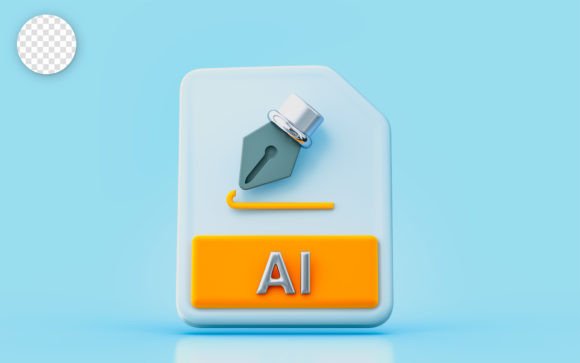
Minimalistic 3D Icons: Enhancing Design with AI-Driven Document File Sign Concepts
In the ever-evolving world of digital design, visual elements play a crucial role in capturing attention and conveying meaning. One such element that has gained traction is the Ai Document File Sign 3D Render Concept. This innovative approach combines artificial intelligence with 3D modeling to generate clean, scalable icons that represent document files in a modern and artistic way. These icons are often delivered as vector shapes within PSD files and feature transparent backgrounds, making them highly adaptable for various creative projects.
What Is an AI Document File Sign 3D Render Concept?
The Ai Document File Sign 3D Render Concept refers to the use of AI tools to design and render three-dimensional icons or symbols representing documents, files, or related actions like signing, opening, or saving. These concepts are typically developed using advanced algorithms that assist designers in creating minimalist yet expressive visuals. The result is a set of icons that maintain high quality across different resolutions and can be easily customized to fit specific brand guidelines or project needs.
Why Consider This Design Concept?
Designers and developers are increasingly turning to AI-generated 3D icons because they offer several advantages over traditional methods:
- Time Efficiency: AI streamlines the creation process, reducing the time needed to conceptualize and render complex 3D designs.
- Consistency: Automated generation ensures uniformity in style and structure, which is essential for branding and UI/UX design.
- Scalability: Vector-based outputs allow for easy resizing without loss of detail or clarity.
- Modern Aesthetics: Minimalist 3D icons align well with contemporary design trends, offering a sleek and professional look.
Benefits and Use Cases
AI-driven 3D icons based on document file sign concepts provide flexibility and functionality that cater to a wide range of applications. They are particularly effective in environments where visual clarity and simplicity are key. Here are some scenarios where this concept shines:
Websites and Landing Pages
On landing pages, every visual element contributes to user experience and conversion rates. Using AI-generated minimalistic 3D icons for document-related functions—such as downloading, uploading, or signing—can enhance usability while maintaining a clean layout. Their transparent background allows seamless integration into any color scheme or design theme.
Mobile and Web Applications
Applications require intuitive navigation and clear visual cues. The Ai Document File Sign 3D Render Concept delivers just that by providing recognizable file and action icons that users can quickly identify. Whether you're designing a productivity app or a digital signature tool, these icons help create a more engaging interface.
Presentations and Reports
When presenting data or information, visual aids are essential. Incorporating 3D document icons generated via AI can make slides more dynamic and easier to understand. The minimalistic nature of these icons also helps avoid clutter, ensuring the message remains clear and focused.
Brand Identity Projects
For brands looking to establish a modern identity, AI-generated 3D icons can serve as a foundation for visual storytelling. Customizable vector shapes allow for personalization, helping your brand stand out while maintaining a cohesive design language.
Tradeoffs and Considerations
While AI-generated 3D icons offer many benefits, there are important factors to consider before integrating them into your workflow:
Quality vs. Speed
Although AI can generate icons rapidly, the level of detail and creativity may not always match that of human designers. It's essential to review and refine AI outputs to ensure they meet your quality standards and effectively communicate the intended message.
Customization Limitations
Some AI tools may produce icons with limited styling options. If your project requires unique or highly personalized visuals, you might need to combine AI-generated assets with manual adjustments or hire a designer to fine-tune them.
File Compatibility
Most AI-created 3D icon sets come in PSD format, which is ideal for layered editing. However, if your team uses different software (like Sketch or Figma), you’ll need to convert or adapt the files accordingly. Ensuring compatibility early on saves time during implementation.
Cost Implications
Using AI to generate 3D icons can reduce costs compared to hiring freelance designers. However, depending on the complexity and volume required, it may still be necessary to invest in premium AI tools or subscription-based platforms. Always weigh the cost against the value these icons bring to your project.
When to Choose AI-Generated 3D Icons
This design concept is especially suitable for:
- Projects with tight deadlines: When speed is critical, AI can help you generate multiple icon variations quickly.
- Startups and small businesses: These entities often have limited budgets but need professional-looking assets to compete with larger brands.
- UI/UX designers working on SaaS platforms: Clean, functional icons are a must-have for user-friendly interfaces.
- Content creators and marketers: High-quality, royalty-free icons can elevate presentations, infographics, and promotional materials.
When to Explore Alternatives
Despite its strengths, the Ai Document File Sign 3D Render Concept may not be the best fit in all situations. Consider alternatives when:
- You need highly detailed or photorealistic icons that go beyond the capabilities of current AI tools.
- Your design requires custom illustrations with unique characters or thematic elements that AI cannot replicate accurately.
- Legal or compliance considerations demand original hand-drawn content, especially for official documentation or regulated industries.
- Icon design is a core part of your brand’s visual identity and must reflect a very specific tone or style.
Practical Tips for Implementation
To make the most of AI-generated 3D icons in your next project, keep the following insights in mind:
- Define Your Needs Clearly: Before using AI tools, outline the purpose, style, and context of the icons. This helps narrow down the right templates or prompts.
- Test Across Platforms: Ensure the icons look good on both desktop and mobile screens. Check how they scale and perform in different contexts.
- Use Layered Files Wisely: Take advantage of the PSD format to modify individual layers, adjust colors, or apply effects without starting from scratch.
- Stay Consistent: Group similar icons together and maintain consistent sizing, spacing, and visual hierarchy to improve usability and aesthetics.
- Optimize for Performance: Compress image files and use SVG versions where possible to reduce load times, especially for web-based projects.
Aligning with Your Creative Goals
Before committing to the Ai Document File Sign 3D Render Concept, evaluate whether it supports your overall creative vision. Ask yourself questions like:
- Do I need a large number of icons quickly?
- Is a minimalistic style appropriate for my target audience?
- Will the transparent background integrate smoothly into my existing design?
- Can I customize the icons enough to reflect my brand's identity?
By answering these questions honestly, you can determine whether this concept will help you achieve your goals or if a more tailored solution is required.
Final Thoughts
The Ai Document File Sign 3D Render Concept is a valuable resource for creatives seeking to add depth and clarity to their projects through modern, scalable visuals. With its focus on minimalism and efficiency, it’s a strong contender for websites, apps, presentations, and branding initiatives. However, it's not a one-size-fits-all solution. Evaluate your specific needs, consider potential limitations, and don’t hesitate to blend AI-generated assets with custom design work to strike the perfect balance between innovation and authenticity.