Indian Pattern Concept in Contemporary Design
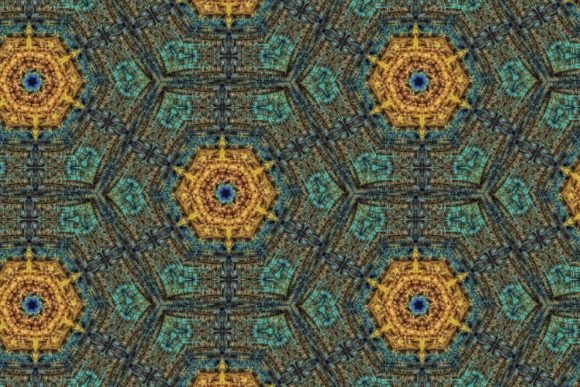
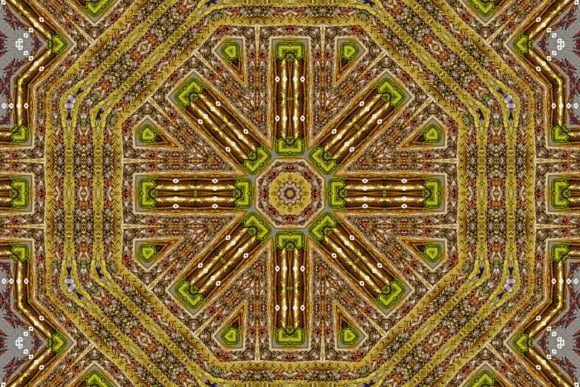
The Indian Pattern Concept is a vibrant and culturally rich design approach rooted in India’s diverse heritage of textiles, art, and architecture. Traditionally inspired by motifs from nature, mythology, religious symbols, and Mughal or Rajasthani aesthetics, these patterns have evolved into contemporary forms that blend modern sensibilities with timeless appeal. Today, they are reimagined through digital tools, 3D rendering, and global trends like retro, baroque, and mandala-inspired styles to create unique visual identities for products ranging from clothing to home décor.
Why Indian Patterns Matter to Different Audiences
While the allure of Indian patterns is universal, their significance varies across professions and interests. For entrepreneurs, integrating this concept into product lines can add cultural depth and marketability. For designers and creators, it offers an opportunity to innovate within a framework of tradition. Consumers may be drawn to these designs for their aesthetic value or as a means of personal expression. Meanwhile, educators and hobbyists often explore them for learning and creative experimentation.
Clothing and Apparel
From scarf pattern textures to all over print T-shirts, Indian patterns bring warmth and character to apparel. A sports bra with a geometric mandala motif can offer both functionality and flair, while a yoga mat adorned with floral patterns might resonate with users seeking mindfulness and style. Fashion startups using retro and vintage elements can tap into nostalgia by reviving classic Indian motifs on leggings, swimwear, or aprons.
- Beginners: Use pre-made digital templates for backpacks or tote bags to experiment without complex software.
- Professionals: Customize duffel bags or face masks with intricate Baroque-inspired Indian designs for high-end fashion collections.
- Entrepreneurs: Launch a line of bandanas or fanny packs featuring kaleidoscope patterns derived from traditional Indian textiles.
Home and Lifestyle Products
Indian patterns are also making waves in interior design and lifestyle goods. A tablecloth or bedsheet with a subtle yet elegant acrylic block design can transform a room instantly. Throw pillows, coasters, and tea towels benefit from these patterns due to their eye-catching nature and versatility.
- Designers: Create 3D rendering wallpapers or shower curtains using layered motifs for a dimensional effect.
- Marketers: Promote napkins or keychains with mandala decorations as collectibles for wellness-focused audiences.
- Hobbyists: Print Indian-inspired cutting boards or puzzles for personal use or handmade gifts.
Adapting to Modern Trends
Contemporary designers often reinterpret the Indian Pattern Concept to align with current trends. The fusion of baroque grandeur with kaleidoscopic symmetry creates bold yet balanced visuals. Similarly, vintage elements paired with retro typography can give a throwback feel to logo elements or postcards. This adaptability ensures that Indian patterns remain relevant in fast-evolving markets.
Tools and Techniques for Designers
For those working with digital textile design, Adobe Illustrator and Photoshop provide powerful tools to manipulate Indian motifs. 3D rendering platforms like Blender or C4D allow for more dynamic applications, such as creating textile design elements for carpet and flooring projects. Beginners can start with free online apps to generate all over print designs suitable for visors or flip flops.
Cost, Quality, and Creativity Considerations
When evaluating the Indian Pattern Concept, cost and quality play a vital role depending on the user. Small business owners might prioritize affordability when sourcing textile printing services for items like mugs or sneaker designs. In contrast, professional designers may invest in high-resolution scans of handcrafted patterns for website backgrounds or cover photos to ensure premium quality. Creativity remains central, with many artists exploring how to balance traditional motifs with modern color palettes for sticker sets or phone cases.
For Educators and Hobbyists
Teachers introducing textile design elements in craft classes can guide students to recreate Indian Pattern Concepts on pet blankets or pouches. These projects encourage understanding of cultural symbolism while practicing skills in pattern repetition and alignment. For instance, a student project might focus on using mandala decoration to make throw pillows or placemats that reflect spiritual themes.
For Entrepreneurs and Marketers
Brands selling eco-friendly clothing could leverage the Indian Pattern Concept for organic cotton leggings or recycled fabric aprons, combining sustainability with aesthetic appeal. A small blog publisher might feature Indian-inspired table runners in home décor content, enhancing visual storytelling and reader engagement. Even product packaging can incorporate Indian motifs subtly, using luggage tags or stickers to reinforce brand identity.
For Creators and Freelancers
Freelance illustrators can apply kaleidoscope pattern design techniques to expand their portfolio with website background concepts or logo elements that speak to global audiences. Artists specializing in 3D rendering might produce acrylic block prints of traditional motifs for shower curtains or backpack linings, offering clients a tactile experience alongside visual impact.
Choosing the Right Application
Not all Indian patterns suit every medium or audience. When selecting a design, consider the context and purpose. A bold, all-over print might work well for tote bags or yoga mats, but a subtle, monochrome version could be more appropriate for face masks or napkins. Similarly, retro Indian patterns may appeal to older demographics, while minimalist interpretations could attract younger, trend-conscious buyers.
Examples Based on Skill Levels
- Beginner-Friendly: Try print-on-cloth options like key chains or coasters using ready-to-use templates from design platforms.
- Intermediate Projects: Apply Indian Pattern Concept to flip flops or visors with custom color gradients and layout adjustments.
- Advanced Applications: Develop 3D-rendered wall coverings or flooring designs that mimic the texture of traditional Indian textiles.
Evaluating Long-Term Value
Investing time in mastering the Indian Pattern Concept can yield long-term benefits. As global interest in ethnic and sustainable design grows, familiarity with these motifs can open doors to niche markets. Textile designers who understand how to translate traditional patterns into contemporary formats may find themselves in demand for custom luggage tags, bandanas, or even sneaker collaborations. Educators can integrate these designs into curricula to teach cultural appreciation and technical design skills simultaneously.
Final Thoughts on Relevance and Application
The Indian Pattern Concept is not just about aesthetics; it's a bridge between heritage and innovation. Whether you're a beginner experimenting with digital prints on bath mats or mugs, or a professional crafting 3D wallpaper for luxury interiors, there’s a place for these designs. Their flexibility allows them to fit into various industries—from fashion to tech accessories—while maintaining a distinct cultural footprint.
Before diving into your next project, ask yourself: Does the Indian Pattern Concept align with my target audience’s preferences? Can I adapt it creatively to suit my materials and budget? If yes, then let the journey begin—one textile design element at a time.