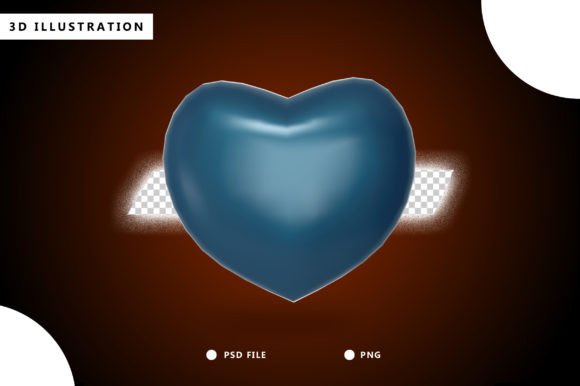
How to Use 3D Rendering of a Blue Heart Shape Design to Elevate Your Projects
In the digital design world, visual elements play a crucial role in capturing attention and conveying messages effectively. One such element is the 3D rendering of a blue heart shape design, which has become increasingly popular due to its versatility and aesthetic appeal. Whether you're working on a website landing page, an app interface, or a presentation slide, adding a realistic 3D blue heart can make your project stand out. This article will explore how you can use this design in your next creative endeavor, why it's so effective, and what makes it unique.
What Is 3D Rendering?
Before diving into the specifics of a blue heart shape, it’s important to understand what 3D rendering means. In simple terms, 3D rendering is the process of generating a 2D image from a 3D model using software. The result is a highly detailed and realistic image that simulates lighting, textures, shadows, and depth — all key components for creating visually compelling designs.
This technique is widely used in industries like architecture, gaming, film, and graphic design. It allows designers to visualize concepts before they are physically created, offering a powerful way to communicate ideas with clarity and impact.
The Appeal of a Blue Heart Shape in 3D
A blue heart shape is more than just a symbol of love; it also represents calmness, trust, and stability. When rendered in 3D, the heart becomes a dynamic object that adds depth and realism to any project. The color blue, especially when paired with smooth gradients and subtle lighting effects, creates a sense of professionalism and serenity — making it ideal for a wide range of applications.
- Websites: A minimalist 3D blue heart can be used as a logo, icon, or background element to evoke emotion without overwhelming the viewer.
- App Interfaces: As a UI/UX component, the heart can serve as a favorite button, notification icon, or part of branding to create a warm yet modern feel.
- Presentation Slides: Realistic 3D hearts add a touch of elegance and help emphasize key points related to care, support, or community.
- Social Media Graphics: These designs work well for Valentine’s Day promotions, health campaigns, or educational content about emotions and psychology.
Why Minimalism Works Well with 3D Icons
Minimalist design trends have taken over the digital space because they prioritize clarity and user experience. A minimalistic 3D icon like a blue heart is not only visually appealing but also easy to integrate into various platforms. Unlike complex illustrations, these icons maintain their integrity across different screen sizes and resolutions, ensuring consistent branding and usability.
With high-resolution transparent PNG files included in many downloadable kits, placing the 3D heart in your design is hassle-free. Transparency ensures that the icon blends seamlessly with any background, while high resolution guarantees sharp visuals even on large displays or printed materials.
Practical Uses of a 3D Blue Heart Shape
Let’s break down some real-world scenarios where a 3D rendering of a blue heart shape can be incredibly useful:
1. Website Landing Pages
Landing pages need to grab attention quickly and deliver a clear message. A realistic 3D blue heart placed strategically can serve multiple purposes:
- Brand Identity: If your brand is centered around emotional connection, health, or wellness, a blue heart reinforces those values.
- Call-to-Action (CTA) Button: Using the heart as a CTA icon encourages engagement — for example, "Heart This Product" or "Support Our Cause."
- Visual Separator: The heart can divide sections of the page without breaking the flow, guiding users through the content naturally.
2. Mobile App Design
Mobile apps benefit greatly from intuitive and attractive icons. A 3D blue heart can be used in several ways:
- As a favorite or bookmark icon for user preferences.
- To represent health-related features, such as heart rate tracking or fitness goals.
- For social media sharing or liking functionality within the app.
Thanks to the transparent PNG file format, these icons can be layered with other UI elements and remain legible and stylish across all devices.
3. Presentation Slides
When presenting data or concepts related to healthcare, mental well-being, or community efforts, a 3D heart icon can enhance the visual storytelling. Here’s how:
- It draws attention to key slides, especially those highlighting mission statements or core values.
- Used alongside statistics or infographics, it helps connect abstract data with emotional relevance.
- It adds a professional yet approachable look to slides, making them more engaging for audiences.
4. Educational Platforms and Content
Educational websites or apps often use symbols to simplify complex topics. For instance, when teaching about human anatomy, a realistic 3D blue heart can serve as a central visual aid. Its clean design and realistic texture make it suitable for both casual learners and medical students.
Understanding the File Formats Included
Many 3D rendering packages come with multiple file formats to suit different needs. Let’s take a closer look at what each format offers:
PSD Files: For Advanced Editing
A .psd file (Photoshop Document) provides full access to layers, masks, and effects. This is perfect if you plan to customize the heart shape further or blend it with other Photoshop elements. With PSDs, you can tweak colors, adjust lighting, or modify the background to match your project’s style precisely.
PNG Files: For Web and App Integration
The high-resolution transparent PNG file is one of the most versatile formats available. It allows for crisp edges and maintains quality across screens. The transparency feature ensures the heart can be placed on any background — light, dark, patterned, or textured — without looking out of place.
These PNGs are optimized for fast loading times, making them ideal for websites and mobile apps where performance matters.
Creating a Unique Project with 3D Icons
One of the biggest challenges in design is making something unique while still being functional. The 3D rendering of a blue heart shape solves this by combining simplicity with sophistication. Here’s how you can leverage it creatively:
Customizing Color and Lighting
Although the heart is blue, you can easily change its hue using design tools like Adobe Photoshop or Illustrator. You might want a lighter shade for a softer look or a darker tone for a more dramatic effect. Additionally, adjusting the lighting can transform the mood — bright highlights give a positive vibe, while soft shadows can add a mysterious or introspective feel.
Combining with Other Elements
To make your design truly unique, pair the 3D heart with other assets. For example:
- Add text to create a motivational quote or slogan.
- Overlay it on a gradient background for a modern aesthetic.
- Use it in conjunction with other 3D icons to build a cohesive visual language.
Common Misconceptions About 3D Rendering
Despite its growing popularity, there are still misconceptions about 3D rendering:
Misconception 1: It Requires Advanced Skills
While creating a 3D model from scratch does require technical knowledge, using pre-rendered assets like a 3D blue heart doesn’t. Many design tools allow you to import and edit these models without needing to master 3D modeling software.
Misconception 2: It’s Only for High-End Projects
Not true! Even small businesses or personal projects can benefit from 3D elements. The minimalistic 3D heart is a great example of how affordable and accessible 3D design has become. It adds a premium look without the premium cost.
Misconception 3: All 3D Models Look the Same
With the right assets, you can achieve a unique and original design. A realistic 3D blue heart stands out because of its thoughtful detailing, accurate shading, and lifelike curves. When compared to flat vector graphics, it brings a fresh perspective to your visuals.
How to Choose the Right 3D Heart Asset
Not all 3D assets are created equal. To ensure the best results, consider the following factors when selecting a 3D blue heart for your project:
- Quality: Look for assets with high polygon counts and realistic textures. This ensures the heart looks smooth and natural on screen.
- Resolution: Always choose high-resolution PNGs for web and print use. Low-res images can appear pixelated and unprofessional.
- Format Compatibility: Make sure the asset works with your preferred software. PSD files are ideal for Photoshop users, while others may prefer SVG or AI formats for scalability.
- Style Matching: Ensure the design complements your overall theme. A minimalist 3D heart works well in sleek, modern layouts, while more intricate versions may fit better in artistic or luxury contexts.
Integrating 3D Icons into Modern Workflows
Modern workflows demand efficiency and adaptability. That’s where the ZIP file with Psd and PNG formats comes in handy. It gives you the flexibility to work in different environments and meet various project requirements. Whether you’re designing for the web, mobile, or print, having access to multiple file types ensures you can optimize for each medium.
Additionally, these assets are typically royalty-free or available under permissive licenses, which is essential for commercial projects. Always check the licensing details before using any design element, especially when it comes to 3D models and renderings.
Conclusion: Making the Most of 3D Design Assets
The 3D rendering of a blue heart shape is more than just a pretty icon — it’s a strategic design tool that can enhance your project’s visual appeal and emotional resonance. Whether you’re aiming for a realistic look or a minimalist vibe, this asset offers a balance between form and function.
By understanding how to use it effectively and integrating it into your workflow with the right file formats, you can create designs that are both unique and professional. So, the next time you're working on a landing page, an app interface, or a presentation, consider using a 3D blue heart to bring your vision to life with minimal effort and maximum impact.
Remember, the right design assets can transform your project from average to extraordinary. Embrace the power of 3D rendering and let creativity lead the way.