3D Rendered Shape Box Toy for Creative Design Projects
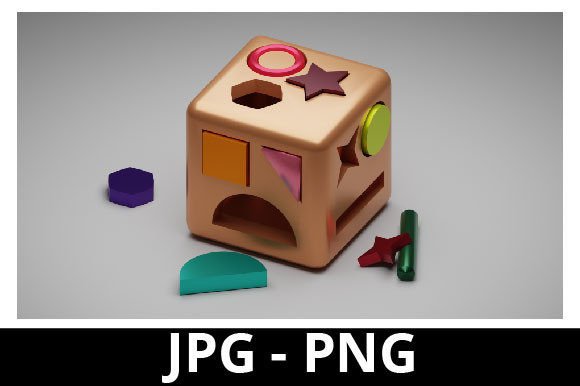
In today’s design-driven world, tools that combine visual appeal with functional creativity are highly valued. The 3D Rendered Shape Box Toy for Design is one such asset, offering a unique blend of aesthetics and utility. This digital toy, often available in a ZIP folder containing JPG and PNG files, features a vibrant, colorful wooden box filled with geometric shapes like cubes, blocks, and puzzles—perfect for use in creative projects ranging from educational content to marketing materials. Whether you're an educator planning a lesson on spatial awareness or a designer looking for engaging visuals, this tool can serve as both inspiration and resource.
What Is a 3D Rendered Shape Box Toy?
A 3D rendered shape box toy is a digitally created model that mimics the appearance of a classic wooden shape-sorting toy. It typically includes high-resolution images in formats like JPG and PNG, which capture every detail of the colorful objects within. These include red, blue, green, yellow, orange, and pink shapes arranged in a structured yet playful manner. The design often evokes the simplicity of childhood playthings but is tailored for modern digital workflows.
This type of toy is not meant for physical play but rather for use in virtual environments. Designers and educators utilize these assets to convey concepts related to learning, development, creativity, and problem-solving. The busy box concept is especially relevant here, as it visually represents a dynamic space where kids engage in stacking, sorting, and building activities—all crucial elements in early childhood education and cognitive development.
Why It Matters to Design Professionals
For professionals working in design, marketing, or education, having access to realistic and versatile 3D renderings can make a significant difference. The 3D rendered shape box toy perfect for design project provides an easy way to illustrate ideas without the need for photography or complex modeling. Its clean lines and recognizable components allow for quick integration into presentations, websites, or social media campaigns.
Consider a scenario where a UX designer is creating a tutorial about user interaction with simple interfaces. A well-rendered image of a shape box toy can symbolize intuitive engagement—users match colors and forms, much like navigating a menu system. The same image could be used by an educator to explain basic geometry to young students, making abstract concepts tangible and fun.
Streamlining Digital Content Creation
One of the most practical benefits of using a 3D rendered shape box toy is the ability to streamline your workflow. Instead of sourcing real toys or commissioning custom illustrations, you can download a ZIP folder with ready-to-use images and apply them across multiple platforms. This saves time and ensures consistency in your visual language.
These assets are particularly useful when designing for children’s products, educational software, or branding that appeals to families. The inclusion of various colors and shapes allows for customization based on the project’s needs. For example, if your client wants to highlight creativity and play-based learning, selecting a version with more intricate puzzle-like arrangements would align perfectly with their message.
Supporting Creativity and Communication in Visual Projects
Visual storytelling is at the heart of many design projects. The 3D rendered shape box toy supports this by providing a universally recognized symbol of creativity and exploration. When used in infographics or blog posts about childhood development, it helps communicate key points quickly and effectively.
Take a marketer promoting a new line of educational toys. Incorporating a 3D rendered image of a shape box toy can help visualize how the product encourages learning through play. The realistic textures and colors (like wood grain, bright reds, and soft greens) add authenticity and warmth, making the product more relatable to parents and caregivers.
Real-World Use Cases
- Product Presentations: Showcasing a child's toy or educational game becomes easier with high-quality renders that highlight all aspects of the design.
- Website Mockups: Adding a shape box toy image to a landing page focused on STEM learning for kids instantly communicates the theme of hands-on discovery.
- Social Media Graphics: Marketers can use the toy in eye-catching posts that emphasize creativity, color recognition, or motor skills development.
- Educational Materials: Teachers and instructional designers can incorporate the toy into slides or worksheets to demonstrate sorting, matching, and construction principles.
Who Can Benefit Most From Using This Tool?
The 3D rendered shape box toy is ideal for anyone who needs to depict play-based learning or design-centric toys in a professional context. Educators can use it to enhance classroom materials, while product developers may rely on it for packaging or promotional collateral. Bloggers and content creators will find it valuable for illustrating topics around childhood development, creativity, and early education.
Freelancers and small business owners also benefit greatly. With limited budgets and tight deadlines, having access to pre-made, high-quality assets like a shape box toy ZIP folder can reduce the need for outsourcing and accelerate production timelines. The flexibility of JPG and PNG formats means they can be used in print or digital media without compromising quality.
Enhancing Educational and Developmental Themes
Early childhood education often emphasizes play as a form of learning. The 3D rendered shape box toy visually reinforces this idea, showing how children interact with colors, shapes, and structures. In a presentation about Montessori methods or sensory play, the toy can represent the importance of tactile and visual stimulation in developing fine motor skills and cognitive abilities.
Its wooden aesthetic adds a natural and wholesome feel, which is increasingly popular in educational and eco-friendly branding. This makes it a strong fit for companies selling sustainable or non-digital toys. The renderings also avoid any distracting details, keeping the focus on the core message: learning through play.
Choosing the Right Version for Your Project
When selecting a 3D rendered shape box toy for your design project, consider the specific goals of your work. Some versions might feature a simple cube with a few basic shapes, while others include a more complex arrangement of blocks and puzzles. The presence of multiple colors—red, blue, green, yellow, orange, and pink—offers further versatility.
If your project requires transparency or layered elements, look for PNG versions. JPGs are excellent for backgrounds or full-color displays. Also, check whether the ZIP folder includes variations of the box in different angles or lighting conditions. These subtle differences can enhance realism when used in motion graphics or interactive web designs.
Limitations and Considerations
While 3D rendered assets offer many advantages, they aren’t always a perfect fit. If your project demands ultra-specific details or unique brand elements, you may need to customize the renderings further. Additionally, some users may prefer original photography to maintain a distinct visual identity.
It’s also important to verify the resolution and licensing terms before using the assets in commercial work. Not all free resources are suitable for professional use, so always ensure the 3D rendered shape box toy you choose complies with your project’s requirements.
Integrating the Toy Into Broader Design Strategies
Designers should think beyond just placing the shape box toy in a slide or graphic. Consider how it fits into the overall narrative of your project. For instance, if you're illustrating a timeline of developmental milestones, the toy can appear at the stage where children begin to recognize and manipulate shapes.
You might pair it with other 3D renderings of learning tools—such as alphabet blocks or counting games—to create a cohesive visual story. This approach strengthens communication and helps viewers connect the dots between design, function, and purpose.
Recommendations for Best Use
- Use as an infographic element: Place the toy next to text explaining its role in cognitive growth or motor skill development.
- Combine with lifestyle imagery: Pair the 3D render with photos of children playing to add emotional depth and realism.
- Highlight key colors strategically: Choose the version with the most relevant hues to align with your brand palette or message.
- Create mockups for app or website wireframes: The toy works well in UI/UX designs that involve sorting or stacking interactions.
- Include in case studies or whitepapers: Use the render to support data or theories about early childhood education and play-based learning.
Beyond the Toy: Thinking About the Bigger Picture
As design trends evolve toward more human-centered approaches, tools like the 3D rendered shape box toy become even more relevant. They allow creators to build empathy and understanding by connecting abstract concepts with familiar, tangible objects. In a broader sense, they support the growing movement toward inclusive, accessible, and meaningful design.
For entrepreneurs launching a new toy line or educators developing curriculum, the toy can serve as a powerful metaphor for how design influences learning and development. By showcasing a 3D model of the shape box toy in marketing materials, you’re not just selling a product—you're communicating values like creativity, curiosity, and cognitive growth.
Thoughtful Observations on Design and Play
It’s worth noting that while the 3D rendered shape box toy is a digital asset, its roots lie in the real-world value of play. Classic wooden toys have long been praised for their simplicity and durability, encouraging open-ended play and imaginative thinking. By translating these qualities into a digital format, the renderings preserve the essence of what makes such toys effective and beloved.
Moreover, the toy’s modular nature—its stackable, sortable components—mirrors the principles of good design: clarity, functionality, and adaptability. These characteristics make it an excellent visual aid for discussions about user experience, interface design, and even architectural modeling.
Final Thoughts on Practical Application
The 3D rendered shape box toy is more than just a decorative image—it’s a strategic tool that can elevate your design work and simplify your creative process. By choosing the right version and integrating it thoughtfully into your projects, you can create compelling visuals that resonate with both adults and children alike.
Whether you're designing for a startup, an educational platform, or a nonprofit focused on child development, this toy offers a bridge between art and science, between imagination and instruction. Its versatility and symbolic richness make it a standout asset in any design toolkit.
As you explore the options in the ZIP folder, keep your audience and objectives in mind. Will a colorful block arrangement best showcase your point? Or does a more minimalist cube speak louder to your design style? Answering these questions will help you select the most impactful version for your needs.