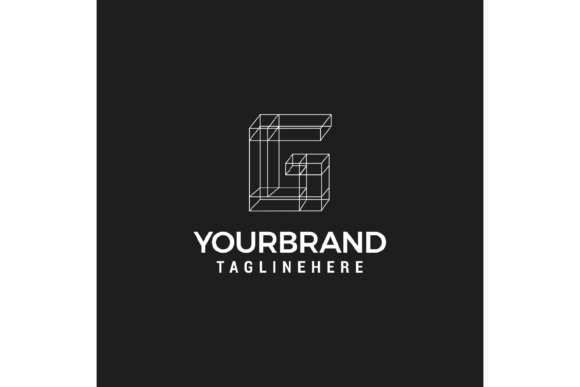
3D Printing Simple Line Art Logo Design
In today’s fast-paced digital and manufacturing worlds, having a clear, adaptable, and visually striking logo is essential. When it comes to branding in the context of 3D printing technology, 3D Printing Simple Line Art Logo Design offers a unique blend of minimalism and modernity that aligns perfectly with the clean aesthetics of additive manufacturing. This design approach uses uncomplicated line work to represent complex ideas—making it ideal for professionals who want their logos to communicate innovation without overwhelming the viewer.
What Is a 3D Printing Simple Line Art Logo?
A 3D printing simple line art logo is a visual identity created using minimalist line illustrations that depict elements of 3D printing such as printers, nozzles, layers, or abstract representations of the printing process. These logos are typically vector-based, which means they can be scaled without losing quality and easily adapted for various applications—from website headers to product packaging or promotional materials.
The design often includes a basic shape with strategic lines that suggest motion, structure, or the layer-by-layer nature of 3D printing. Because of its simplicity, it stands out while remaining professional and versatile. It's especially effective for startups, tech companies, educational institutions, and makerspaces looking to establish a strong brand presence around 3D printing concepts.
Why Choose a Simple Line Art Style for Your 3D Printing Brand?
Simplicity isn't just a trend—it's a powerful communication tool. A line art logo eliminates unnecessary details, focusing instead on the core idea. For industries like 3D printing, where clarity and precision are valued, this style ensures your logo remains legible and recognizable across all platforms and print sizes.
Moreover, the clean aesthetic of line art complements the sleek look of 3D-printed products and environments. Whether you're showcasing your company in a presentation or embedding it into a printed circuit board prototype, the logo adapts effortlessly. This adaptability is one reason why many professionals choose this format when building a cohesive brand identity around 3D printing technologies.
Practical Benefits of Using a 3D Printing Simple Line Art Logo
One of the most significant advantages of a 3D printing simple line art logo is its scalability. The use of vectors allows for seamless resizing, ensuring your logo looks sharp whether it's on a business card or a billboard. This makes it an excellent choice for businesses that plan to expand their branding efforts across multiple mediums.
Another benefit is the ease of customization. If you're working with an SVG or EPS 10 100 vector file, you can modify colors, stroke widths, or even add new elements to match evolving brand guidelines. Unlike raster images, which degrade when altered, vector files maintain crisp edges and consistent detail, giving you full creative control.
For designers and entrepreneurs, having access to high-quality vector formats like EPS, SVG, and PDF streamlines workflows. Adobe Illustrator users will find these files particularly useful, as they allow for fine-tuned adjustments and compatibility with other design software. Additionally, the included JPG version ensures quick previewing and easy sharing for web use or social media.
Who Can Benefit Most from This Design Approach?
Professionals in the fields of engineering, product design, and additive manufacturing may find this type of logo particularly beneficial. Educators and content creators who teach or blog about 3D printing also gain value from using a visual symbol that reinforces their message. Similarly, small business owners launching a 3D printing service or selling related products need a logo that conveys professionalism and reliability.
Consider a scenario where you’re preparing a pitch deck for investors. A minimalist 3D printing logo would not only fit neatly into slides but also project a sense of modernity and technical competence. Or imagine you're designing a workshop space—having a logo that integrates well with signage, equipment labels, and marketing materials can significantly enhance the overall user experience.
Real-World Use Cases for 3D Printing Simple Line Art Logos
- Website Headers and Footers: Clean line art works exceptionally well in digital spaces where speed and clarity are crucial. Visitors can quickly associate your brand with the right industry without distractions.
- Print Materials: From brochures to posters, vector-based line art ensures your logo maintains its integrity at any size, making it suitable for both online and offline use.
- Product Packaging: If you're producing 3D-printed items or accessories, a subtle yet impactful logo helps build brand recognition without cluttering the design.
- Presentations and Reports: In technical documents or client proposals, a simple and elegant logo adds a touch of professionalism that supports your credibility.
- Social Media Avatars: Minimalist logos tend to perform better as profile pictures due to their legibility on smaller screens and across different backgrounds.
How to Make the Most of Your Logo Files
To ensure the best results, always open the EPS 10 100 vector file in Adobe Illustrator. This gives you full access to the underlying shapes and paths, allowing for precise editing. If you're unfamiliar with vector editing tools, the SVG and PDF versions offer good alternatives, though they may require more effort to adjust in some programs.
While the text within the design is non-editable, the rest of the artwork is fully customizable. You can tweak the layout, change colors, or combine it with other graphics to create a unique identity tailored to your business. This flexibility is especially valuable if you're iterating your brand visuals over time or need to match corporate color schemes.
Design Considerations and Limitations
Though 3D printing simple line art logo icon template vector illustration designs provide versatility, they may not be suitable for every brand. If your business requires a highly detailed or intricate emblem, a more complex design might be necessary. However, for most 3D printing-related ventures, the minimalist approach proves sufficient and even advantageous.
Additionally, it's important to understand the licensing restrictions. Since reselling the digital formats is prohibited, the logo should be used strictly for personal or business branding purposes. This limitation ensures the original designer retains ownership while still providing end-users with the freedom to customize and apply the logo creatively.
Strengthening Communication Through Visual Simplicity
Logos serve as silent ambassadors for your brand. A simple illustration of production 3D printing concept communicates professionalism and forward-thinking in a way that resonates with clients, customers, and collaborators. When your logo is uncluttered and focused, it enhances your ability to convey trust and expertise, especially in a field as technically driven as 3D printing.
For example, a maker space aiming to attract young innovators might use a bold line-art printer silhouette to emphasize accessibility and creativity. Alternatively, a consulting firm could opt for a stylized layer representation to highlight precision and strategy. Either way, the right design can simplify how your audience perceives your offerings.
Supporting Your Branding Goals with the Right Tools
Having access to four different file types (EPS, SVG, PDF, JPG) means you're equipped to handle a variety of needs. The vector files support high-resolution printing and scalable digital use, while the JPG provides a ready-to-use option for websites and presentations. This range ensures your logo remains consistent across platforms, supporting your branding goals without compromising quality.
If you're unsure whether this logo fits your specific needs, take the time to compare it with other available options. Look for variations in style, symbolism, and adaptability. While this particular design is optimized for 3D printing themes, your unique requirements might call for a slightly different approach. Always consider how the logo will appear in real-world scenarios before finalizing your choice.
Creating a Professional Identity Without Compromise
Establishing a professional identity in the 3D printing industry doesn’t have to be complicated. With a 3D printing simple line art logo, you can present a polished image that reflects both your commitment to innovation and your understanding of design principles. The balance between form and function is key, and this type of logo excels in achieving that harmony.
Take the case of a freelance 3D modeler who wants to stand out in a competitive market. A minimalist logo that clearly references 3D printing helps them connect with potential clients faster. The same applies to educators creating course materials or bloggers writing about the latest developments in additive manufacturing—each can leverage the design to reinforce their message and improve engagement.
Final Thoughts and Recommendations
When selecting a logo for your 3D printing venture, prioritize designs that are both functional and expressive. A 3D printing simple line art logo offers a compelling solution by combining clarity with creativity. Its adaptability, supported by comprehensive file formats, makes it a practical investment for anyone serious about building a strong brand presence in this growing industry.
Before committing, test the design in different contexts. How does it look on a white background versus a dark one? Does it scale well for mobile apps or large banners? Answering these questions can help you determine if the logo meets your expectations and supports your long-term objectives.
If you find yourself needing something more exclusive or tailored, don't hesitate to reach out. I’m here to help you craft a professional logo for your company that truly represents your vision. Just contact me via my profile page for personalized assistance. Let’s make sure your brand stands out for all the right reasons.