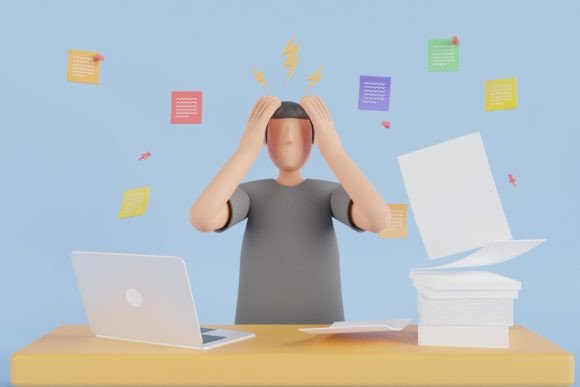
3D Employee Stressing in Office: What It Is and How to Use It Effectively
Understanding 3D Employee Stressing in Office Designs
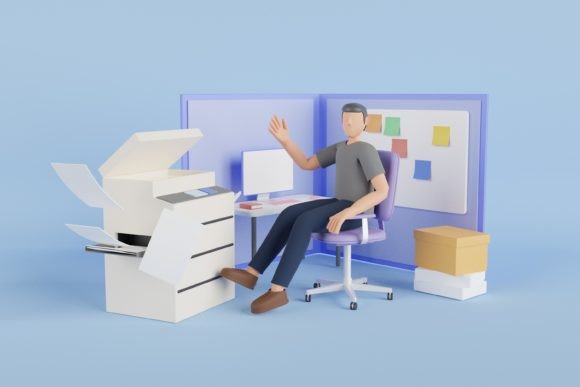
3D Employee Stressing in Office designs have become increasingly popular for visual storytelling, especially in the context of workplace wellness, mental health awareness, and corporate communication. These images typically depict a stylized 3D character representing an employee who appears overwhelmed, anxious, or burdened by work-related stress. The design format—often available as JPG or PNG files—offers high-quality visuals that can be easily adapted for various purposes like banners, websites, posters, UI/UX projects, and promotional materials.
The appeal of these 3D illustrations lies in their ability to convey complex emotions and situations in a simple, universally understandable way. Unlike stock photos, which may lack authenticity or flexibility, 3D designs allow for customization and integration into digital platforms without quality loss. They are particularly useful when aiming to communicate themes such as burnout prevention, work-life balance, or mental health support in a professional yet relatable manner.
Misjudging the Context
One common mistake is using a 3D image of a stressed employee without considering the message it sends. While it’s effective for highlighting issues like overwork or poor working conditions, it might not be appropriate for all audiences or platforms. For instance, using it in a motivational campaign could unintentionally reinforce negative perceptions rather than inspire positive change.
Better Approach: Always align the use of the 3D illustration with your core message. If you're promoting mental health resources, pair the image with supportive content. If you're creating a banner for a productivity tool, consider using the same character but in a more empowered setting to show transformation.Ignoring Design Quality and Resolution
Not all 3D images are created equal. Some low-resolution or poorly designed versions may look unprofessional when scaled up or used in print. This can lead to a drop in engagement and credibility, especially if the image is part of a brand's official communications or website assets.
Tip: Before downloading or purchasing any 3D image, check its resolution and scalability. High-quality PNG or JPG files should maintain clarity at different sizes and on various screens. Also, ensure the color palette and lighting match your project's aesthetic.Overlooking Licensing Terms
Many creators overlook the importance of understanding licensing agreements when they download or buy 3D images. A free file may come with restrictions on commercial use, modification, or redistribution. Failing to adhere to these terms can result in legal complications down the line.
What to Check:- Whether the license allows commercial use
- If modifications are permitted
- If attribution is required
- Any limitations on how many times the image can be used
Always read the fine print or reach out to the designer/publisher if unsure. Investing a few minutes in this step can save significant time and money later.
Define Your Purpose Clearly
Before selecting a 3D image of a stressed office employee, define what you want to achieve. Are you raising awareness about mental health? Illustrating the need for better workplace policies? Or showcasing a solution to reduce employee stress?
Your purpose will guide your choice in tone, style, and even the specific actions the character is performing (e.g., slumped over a desk, holding multiple laptops, or looking at a calendar filled with deadlines). A well-defined goal helps avoid mismatched visuals that confuse your audience.
Consider the Style and Tone
3D images vary widely in style—from hyper-realistic to cartoonish. Each has its own strengths and weaknesses depending on your target audience and platform. For example:
- Realistic 3D models suit professional environments and data-driven reports.
- Stylized or flat-design characters work best for social media posts, infographics, and educational content.
- Animated or motion-ready 3D files are ideal for video presentations or interactive web elements.
Choosing the right tone ensures your message resonates effectively and maintains the intended emotional impact.
Match the File Format to Your Needs
JPG and PNG formats each have their uses. JPGs are great for photographs and continuous-tone images, while PNGs offer transparency and sharp edges, making them suitable for logos and layered designs. If you plan to place the 3D image over a background or integrate it into a UI, choose a PNG with transparent layers for flexibility.
Also, consider whether you’ll need vector-based formats (like SVG or EPS) for scalable use in print or branding. Many 3D designers now provide editable source files, so ask before finalizing your purchase or download.
Use in Combination with Text
3D Employee Stressing in Office images are powerful, but they work best when paired with clear, concise text. For example, using the image in a poster without supporting information may leave viewers confused about the intended message. Add a short caption or headline that explains the issue being depicted and suggests a path forward.
Optimize for Accessibility
When using these images online, always include alt text that describes the scene accurately. Not only does this help visually impaired users understand the content through screen readers, but it also improves SEO performance by giving search engines context about the image.
Example alt text: "A 3D illustration of a stressed office worker sitting at a cluttered desk, surrounded by multiple monitors and paperwork, showing signs of fatigue and anxiety."
Test Across Platforms
Before finalizing your design, test the 3D image across different platforms and devices. Does it load quickly on mobile? Does it scale correctly on large screens? Poor optimization can affect user experience and slow down your site’s performance, leading to lower engagement and higher bounce rates.
Bad Example: Misused in a Recruitment Campaign
A company once used a 3D Employee Stressing in Office image in a job posting to highlight "real challenges" of the role. The result was a decline in applications, as candidates perceived the environment as hostile or unsustainable. The message wasn't aligned with the company's actual values or culture.
Good Example: Used in a Wellness Workshop Flyer
In contrast, a human resources department integrated a similar image into a workshop flyer titled "Recharge & Refocus: Strategies for Managing Workplace Stress." The image served as a visual anchor for the event’s theme and encouraged employees to attend. The overall design was clean, empathetic, and professional.
Better Choice: Customization Over Generic Stock
Rather than relying on a generic 3D image, consider customizing one to reflect your brand’s identity or the specific scenario you want to illustrate. For example, changing the character’s clothing to match your company colors or adjusting the background to represent your office layout can make the design feel more authentic and tailored.
What to Check Before Finalizing Your Selection
To ensure you’re making the best possible decision, keep the following checklist handy:
- Purpose Alignment: Does the image support the message I want to convey?
- Quality and Resolution: Is the file crisp and suitable for both digital and print use?
- Licensing Permissions: Can I legally use this image for my intended purpose?
- Style Consistency: Does the 3D design fit the visual language of my brand or project?
- Technical Compatibility: Will the file format work well with my software or website builder?
Conclusion
3D Employee Stressing in Office images are versatile tools for conveying important messages about workplace dynamics and employee well-being. However, their effectiveness depends on thoughtful selection and proper application. By avoiding common pitfalls—such as ignoring licensing, misaligning the image with your message, or using outdated formats—you can enhance your project’s impact and professionalism.
Next time you’re considering using a 3D image of a stressed employee, take a moment to evaluate how it fits into your overall design strategy. With the right approach, these visuals can help spark meaningful conversations and drive real change in how we perceive and manage workplace stress.