3D Camping Surrounded by Pine Trees: A Versatile Visual Design for Creative Projects
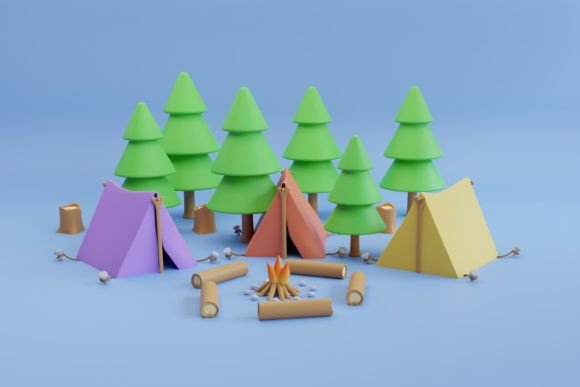
The concept of 3D camping surrounded by pine trees has emerged as a compelling visual theme that blends the beauty of nature with modern design techniques. This design typically features a realistic or stylized 3D scene of a campsite nestled among tall, green pine trees—capturing the essence of outdoor adventure while maintaining a high level of detail and aesthetic appeal. Available in popular image formats such as JPG and PNG, these designs are highly adaptable and suitable for a wide range of creative applications.
What is 3D Camping Surrounded by Pine Trees?
A 3D camping surrounded by pine trees design is a digital artwork rendered using 3D modeling software to create an immersive, lifelike environment. The scene often includes elements like tents, sleeping bags, hiking gear, and campfires, all set against a backdrop of dense pine forests. These visuals can be created in both photorealistic and artistic styles, depending on the intended use and target audience.
One of the key distinctions of this design is its ability to evoke a sense of tranquility and connection with nature. Unlike traditional flat illustrations or stock photos, 3D renderings offer depth, perspective, and dynamic lighting that make the images more engaging and visually rich. This makes them particularly effective for projects aiming to highlight themes of adventure, sustainability, or relaxation in natural settings.
Strengths of Using 3D Camping Surrounded by Pine Trees Design
- High Customization: Because it's a 3D design, you can modify various aspects such as color schemes, lighting effects, and even the placement of objects within the scene.
- Scalability: The design maintains clarity at different sizes, making it ideal for both small-scale print materials and large digital displays.
- Adaptability: Whether you're designing for a website, social media banner, poster, or UI/UX element, the 3D camping scene can be tailored to suit your specific needs.
- Emotional Appeal: The imagery resonates well with audiences who appreciate outdoor lifestyles, offering a nostalgic yet modern feel.
When Does It Fit Best?
This design works exceptionally well in several contexts. For example:
- Websites and Landing Pages: Use it as a background for travel agencies, outdoor gear brands, or eco-friendly product sites to instantly convey a sense of place and purpose.
- Banners and Advertisements: Incorporate it into promotional banners for festivals, retreats, or seasonal campaigns related to camping or forest getaways.
- UI/UX Elements: As part of app or web interfaces, the design can enhance user experience by providing a calming, nature-inspired backdrop.
- Posters and Print Media: Its visual richness makes it perfect for posters advertising events like hiking workshops, wildlife photography classes, or outdoor yoga sessions.
Example Use Case
Imagine a brand launching a new line of sustainable camping equipment. They could use a 3D camping surrounded by pine trees image as the hero section of their landing page. The design would not only showcase the products in context but also align with the brand’s message of harmony with nature. In this case, the realism of the 3D image helps build trust and authenticity with potential customers.
Alternatives and Comparison Points
While the 3D camping surrounded by pine trees design offers many benefits, it's important to consider alternatives when selecting the right visual assets for your project. Here are some common options and how they stack up:
Flat Vector Illustrations
Flat vector designs tend to be simpler and less detailed than 3D renderings. They work well for minimalist branding or websites that prioritize speed and performance. However, they may lack the emotional resonance and realism that 3D images provide. If your goal is to create a vivid, immersive experience, the 3D version might be more appropriate.
Photographic Images
High-quality photographs of actual campsites can offer a real-world feel and authenticity. They are excellent for storytelling and building a genuine connection with viewers. On the downside, they may not be as customizable as 3D graphics. You can’t easily change the sky, tree density, or add virtual elements without significant post-processing.
Isometric or Semi-3D Styles
These designs combine 2D simplicity with 3D-like perspectives. While they’re great for infographics and educational content, they may not deliver the same level of realism or depth as a full 3D camping scene. Choosing between isometric and true 3D depends on whether you need a stylized look or a more authentic representation.
Tradeoffs and Limitations
Despite its versatility, there are some tradeoffs to consider when using a 3D camping surrounded by pine trees design:
- File Size: High-resolution 3D images can be large, which may affect website loading times if not optimized properly.
- Cost and Time: Creating original 3D scenes from scratch can be time-consuming and expensive compared to using pre-made assets.
- Design Flexibility: While editable, changing complex elements like tree textures or lighting requires some technical know-how and appropriate software tools.
However, these limitations can often be mitigated by choosing pre-rendered files in JPG or PNG format. These versions are usually ready-to-use, optimized for performance, and available at various resolutions to fit different platforms and devices.
Best-Fit Situations for 3D Camping Surrounded by Pine Trees
Here are scenarios where this design excels:
- Marketing Campaigns: When promoting outdoor activities or nature-based services, a 3D pine forest camp scene can help visualize the experience effectively.
- Product Showcase: Brands selling camping gear, eco-tents, or portable stoves benefit from placing their products in a realistic setting to demonstrate usage.
- Event Promotion: Whether it's a wilderness retreat, survival skills workshop, or family camping event, this design sets the tone and attracts the right audience.
- App and Web Interfaces: Developers can integrate the design into apps focused on nature exploration, fitness tracking during hikes, or guided meditation in natural environments.
Why Choose 3D Over Other Formats?
If you're looking for something that stands out in a sea of generic stock images, a 3D camping scene offers a unique advantage. Its layered composition allows for greater interactivity and visual storytelling. For instance, you can animate parts of the scene (like flickering flames or moving shadows) to create a more dynamic experience online.
In contrast, 2D images or basic vector art may not hold attention as long or provide the same depth. This is especially relevant in UI/UX design, where user engagement is crucial. The 3D aspect adds a professional polish that elevates the overall design quality.
Decision Factors for Choosing the Right Visual Format
Selecting the right design involves understanding your project's goals and constraints. Here are some factors to weigh:
- Target Audience: Are you appealing to adventurers, families, or corporate retreat planners? The 3D camping design tends to resonate with those who value immersive experiences.
- Platform Requirements: If you're working with mobile-first designs, consider the file size and scalability of the image format. PNGs are generally better for transparency, while JPGs compress well for faster load times.
- Brand Identity: Align the visual style with your brand’s tone. A sleek, modern 3D rendering fits well with contemporary, eco-conscious brands, whereas rustic-style photography might be better for heritage or traditional marketing.
- Budget and Timeline: Pre-made 3D assets save time and money, while custom designs allow for more control but require investment.
How to Use 3D Camping Surrounded by Pine Trees Effectively
To maximize the impact of this design, consider the following tips:
- Use as a Background: Apply the image as a subtle background behind text or icons to avoid overwhelming the viewer.
- Overlay Text Strategically: Place call-to-action phrases or headlines over open areas of the image to maintain readability and focus.
- Pair with Complementary Assets: Combine it with other 3D elements like animals, stars, or weather effects to enrich the narrative.
- Optimize for Different Devices: Ensure the image looks good on both desktop and mobile screens by adjusting resolution and layout accordingly.
Real-Life Applications
Many businesses have successfully used this design to enhance their messaging. A travel blog, for example, might feature a 3D camping surrounded by pine trees image to accompany an article about off-grid adventures. Similarly, a wellness brand promoting forest therapy sessions might use it in email templates or social media posts to create a soothing visual atmosphere.
Conclusion
The 3D camping surrounded by pine trees design is a powerful tool for creators and marketers seeking to engage audiences with nature-centric visuals. Its blend of realism, adaptability, and emotional appeal makes it stand out from flat illustrations or standard photographs. However, its effectiveness depends on the context in which it's used and how well it aligns with your project's objectives.
Whether you're creating a banner, a website header, or a poster, this design offers a fresh and immersive approach to showcasing the great outdoors. By considering your platform, audience, and design needs, you can determine if this format is the best choice for your next project.